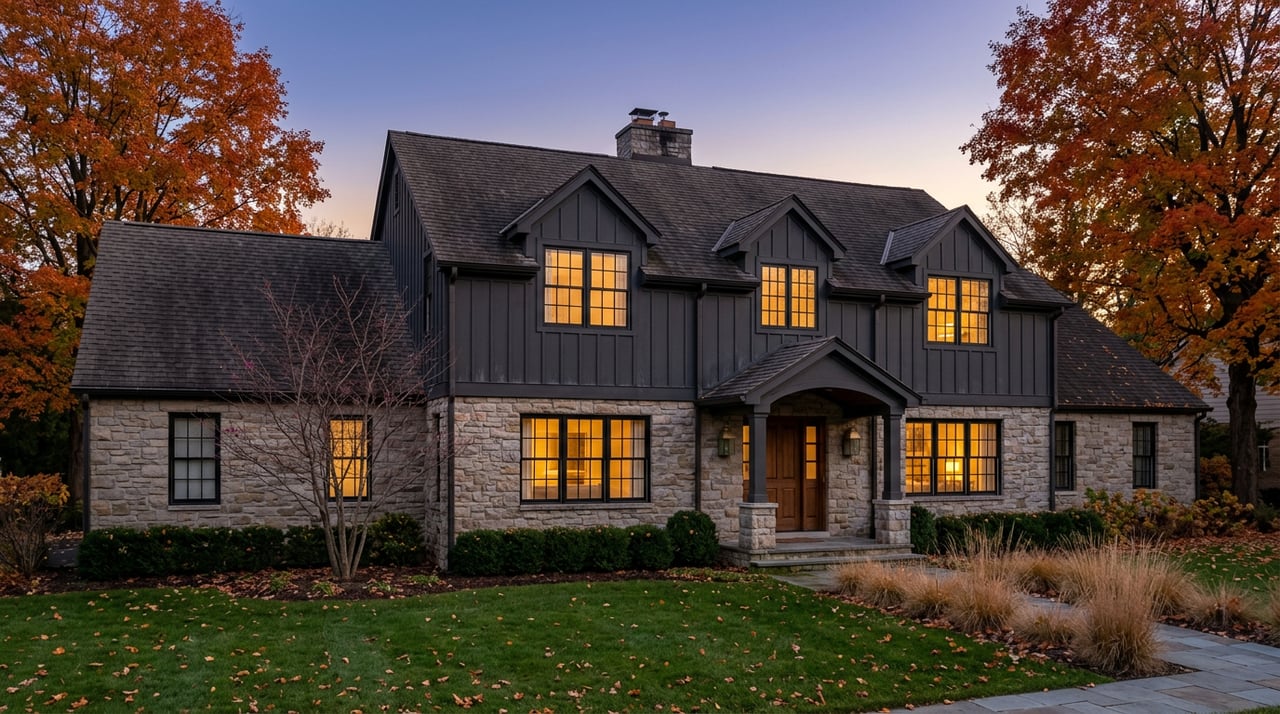
Looking for a Columbus neighborhood that feels like a destination the moment you arrive? German Village offers that rare mix of city energy, preserved character, and everyday walkability that can turn a simple afternoon into a full experience. If you are curious about the area as a visitor, buyer, or homeowner who loves design, this guide will help you picture the streets, shops, green spaces, and homes that make German Village stand out. Let’s dive in.
Why German Village Feels Different
German Village sits just south of downtown Columbus, and its roots go back to 1814. Much of the neighborhood developed between 1840 and 1914, shaped by German immigrants who left a lasting mark on the area’s homes and streets.
What makes the neighborhood especially notable today is its preservation story. The modern preservation framework began in 1960 with the creation of the German Village Commission and the historic district, and the area has since become known as a major preservation success, with about 1,600 structures renovated over time.
That history is not tucked away in a museum. You can feel it as you move through the neighborhood, from the scale of the homes to the texture of the sidewalks and streets.
Start With the Streets
One of the best ways to experience German Village is on foot. The neighborhood is compact and walkable, and many people move from one stop to the next without needing to drive.
About half of the streets are still paved with brick, and driveways are scarce, so street parking is common. The result is a streetscape that feels urban, close-knit, and visually consistent, especially with the neighborhood just eight blocks from the Ohio Statehouse.
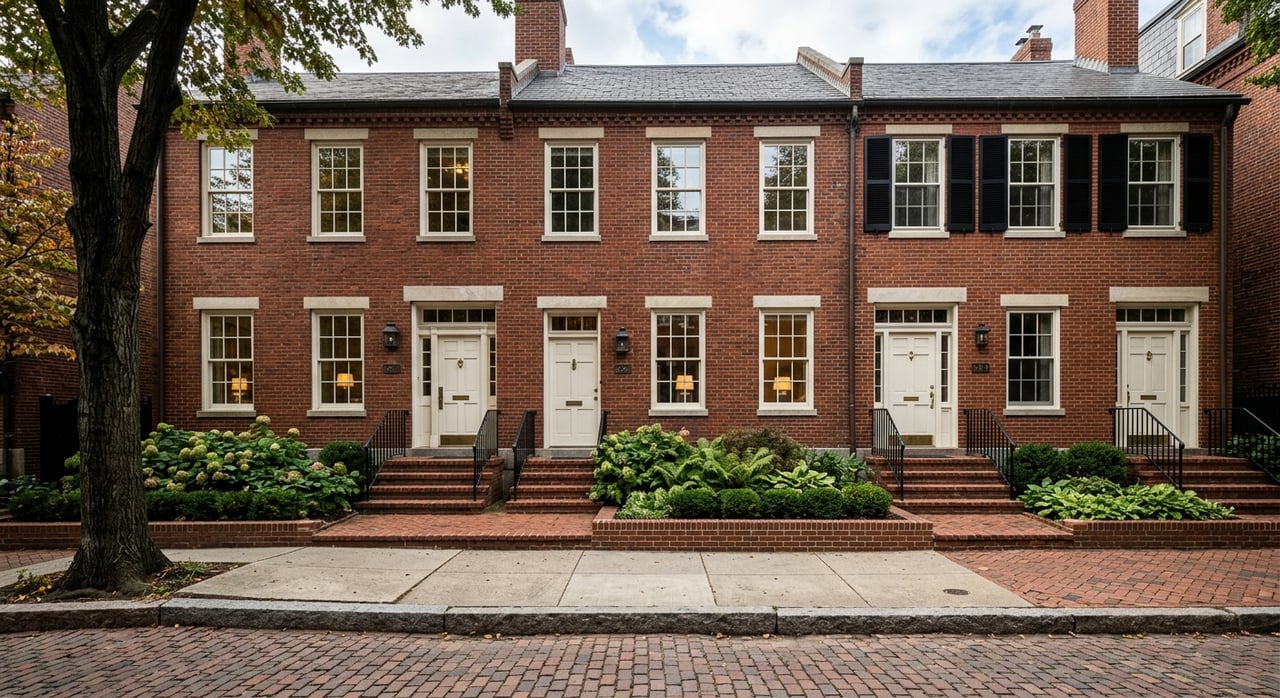
The built form adds to that feeling. Houses sit close to the sidewalk, and the details repeat in a way that gives the area rhythm: brick walks, wrought-iron fences, and stone accents all contribute to a setting that feels deliberate rather than accidental.
An Afternoon Walking Route
If you want to picture a classic afternoon in German Village, think short blocks, easy walking, and plenty of reasons to pause. This is the kind of neighborhood where the route matters as much as the destination.
You might begin by walking along South Third Street and nearby side streets, where the mix of homes and neighborhood businesses keeps the experience lively. Then you can drift into one of the green spaces, stop for coffee or a pastry, browse a local shop, and continue past rows of brick homes that reward close attention.
Because the neighborhood is low-rise, with no structure higher than three stories, the streets feel open and human-scaled. You are not looking up at towers. You are noticing doors, windows, gardens, fences, and courtyards.
Shops and Stops Along the Way
German Village has an intentional mixed-use character, and that is a big part of its appeal. Along and around South Third Street, you will find a wide everyday mix of businesses, including restaurants, cafés, bakeries, bookstores, florists, galleries, salons, and service businesses.
Current examples listed by the German Village Society include Cento, Katzinger's Delicatessen, Kittie's Cakes, Pistacia Vera, Schmidt's Sausage Haus, Stauf's Coffee Roasters, Jeni's Splendid Ice Creams, Sycamore, Winans Chocolates + Coffees, The Book Loft of German Village, Helen Winnemore's, The Red Stable, and Urban Sundry.
For you, that means an afternoon here can be flexible. You can build it around lunch, coffee, dessert, shopping, or simply a walk with a few stops that catch your eye.
A Neighborhood Made for Browsing
German Village works well for unplanned time. You do not need a strict itinerary because the neighborhood’s scale supports wandering.
That is especially true in the commercial pockets, where independent businesses sit within an easy stroll of one another. A bookstore stop can lead to coffee, then a walk through a side street lined with historic homes, then a pause in a small garden space before you head back out.
Parks and Garden Moments
The neighborhood’s density makes its green spaces feel even more valuable. They provide contrast, breathing room, and a chance to slow the pace of your afternoon.
Schiller Park is the major green space in German Village, covering 23.601 acres. It includes a paved path, amphitheater, pond or lake stocked for fishing, playground, picnic tables, and multiple court and field amenities.
That size matters in a neighborhood known for compact blocks and closely spaced homes. Schiller Park gives you a broad, open setting that balances the enclosed, intimate feeling of the surrounding streets.
Smaller Outdoor Spaces With Character
German Village also includes smaller outdoor places that add to its charm. Frank Fetch Park, Huntington Gardens, and Grace Highfield Memorial Garden each show how the neighborhood uses limited space in thoughtful ways.
Frank Fetch Park is a 0.2-acre pocket park with a bier-garten-style design, brick walls, and brick pavement. Huntington Gardens features a 450-foot brick walkway and perennial beds, while the Grace Highfield garden is a shaded island planting organized around boxwood and hostas.
These spaces are small, but they do important work. They break up the streetscape, create visual texture, and reinforce the neighborhood’s careful attention to detail.
The Homes That Define the Village
For many people, the most memorable part of German Village is the housing. The architecture is not oversized or flashy. Instead, it stands out because of proportion, materials, and consistency.
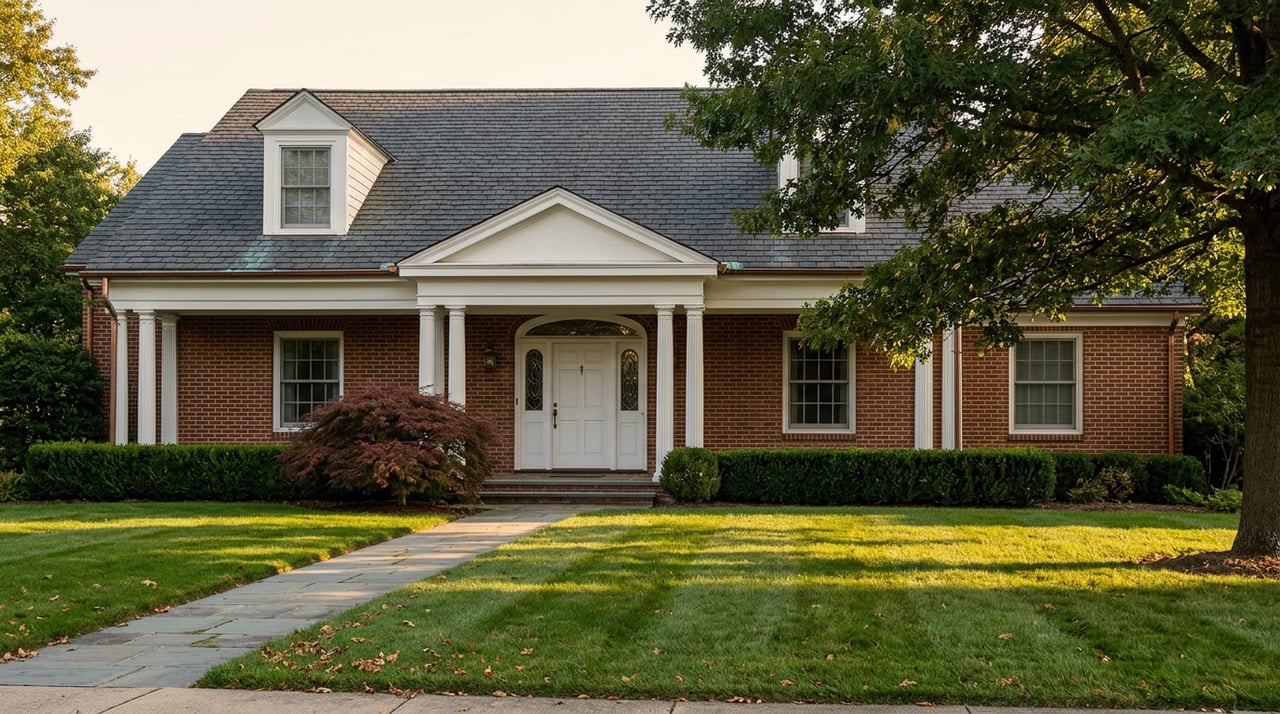
The city describes several common home types in the district, including one-and-a-half-story brick houses with gabled roofs and two- to two-and-a-half-story brick houses with hip roofs. Typical dimensions are modest, with many houses around 16 to 18 feet wide by 30 to 40 feet deep, often on 30-by-90-foot lots.
Those dimensions shape the lifestyle as much as the look. In German Village, outdoor living often reads as stoops, courtyards, window boxes, and small front spaces rather than wide lawns or deep setbacks.
Details Buyers Notice
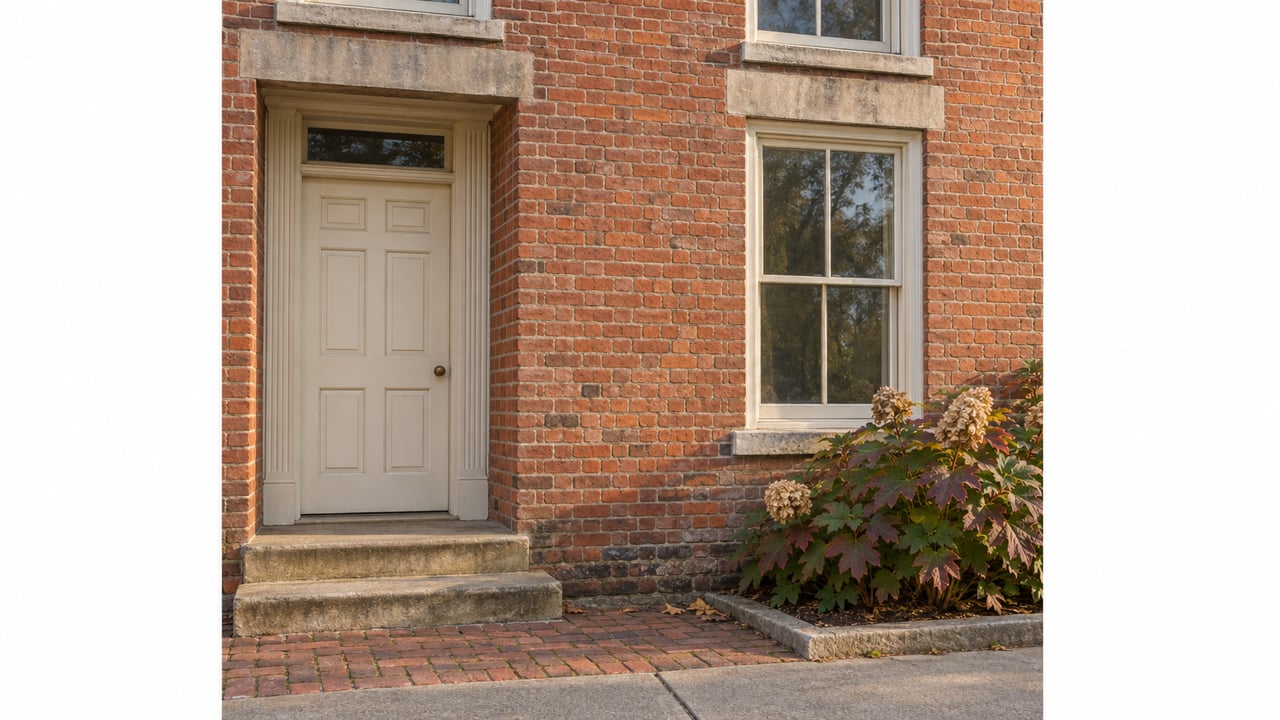
The neighborhood’s homes reward close observation. Common details include double-hung windows, cut-stone lintels and sills, wrought-iron fences, and brick walks laid in patterns like herringbone or basket-weave.
Taken together, these features create a strong visual identity. Even when homes vary in scale or layout, the shared materials and historic vocabulary give the neighborhood a cohesive feel.
For design-minded buyers, that cohesion can be a major draw. It offers a sense of place that is hard to replicate in newer neighborhoods.
What Buyers Should Know About Renovation
German Village is a preservation district, and that comes with a clear framework for exterior work. If you are considering a home here, it is important to understand that visible changes are reviewed for compatibility with the district.
The German Village Commission considers Certificates of Appropriateness for exterior alterations within the district. Construction, reconstruction, alteration, and demolition must conform to district guidelines and the Secretary of the Interior's Standards.
That review process helps protect the streetscape that draws so many people to the neighborhood in the first place. It also means buyers should think carefully about project scope, timelines, and design alignment before making exterior changes.
Why the Review Process Can Add Value
For the right buyer, this structure is not a drawback. It is part of the value proposition.
When a neighborhood has long-term design consistency and a strong preservation framework, the result is often a more stable visual character from block to block. If you appreciate architecture, craftsmanship, and thoughtful updates, German Village offers a setting where those qualities are taken seriously.
This is also where an experienced, design-aware real estate team can make a difference. If you are evaluating a home with renovation potential, clear guidance on layout, presentation, and project fit can help you make a more confident decision.
Why German Village Appeals to Design-Minded Buyers
German Village is not just about history. It is about how history shapes daily life now.
You can walk to coffee, spend time in a major city park, browse local shops, and come home to a brick house with original character and a carefully protected setting. That combination of convenience, texture, and architectural identity is a big reason the neighborhood continues to attract attention.
For some buyers, the appeal is immediate. For others, it becomes clear over the course of a single afternoon, once they have walked the brick streets, noticed the scale of the homes, and seen how the neighborhood balances city access with a distinct sense of place.
If you are exploring Columbus neighborhoods and want one that feels layered, walkable, and visually memorable, German Village is worth experiencing in person.
If you are considering buying or selling in Central Ohio and want strategic guidance shaped by design, presentation, and long-term value, Nth Degree can help you navigate the next step with a thoughtful, full-service approach.
FAQs
What makes German Village in Columbus feel unique?
- German Village stands out for its brick streets, compact walkability, preserved historic homes, low-rise scale, and mix of shops, cafés, parks, and garden spaces.
What kinds of homes are common in German Village?
- Common home types include one-and-a-half-story brick houses with gabled roofs and two- to two-and-a-half-story brick houses with hip roofs, often on relatively small lots with details like double-hung windows, stone lintels, and wrought-iron fences.
What can you do during an afternoon in German Village?
- You can walk the brick streets, visit businesses along and around South Third Street, stop at cafés or bakeries, browse local shops like bookstores and gift stores, and spend time in Schiller Park or smaller garden spaces.
What should buyers know about renovating a home in German Village?
- Exterior changes within the historic district are reviewed by the German Village Commission, and projects must follow district guidelines and preservation standards.
Is German Village a walkable Columbus neighborhood?
- Yes. German Village is known for its compact layout, short blocks, mixed-use character, and pedestrian-friendly environment that makes walking a practical way to experience the neighborhood.