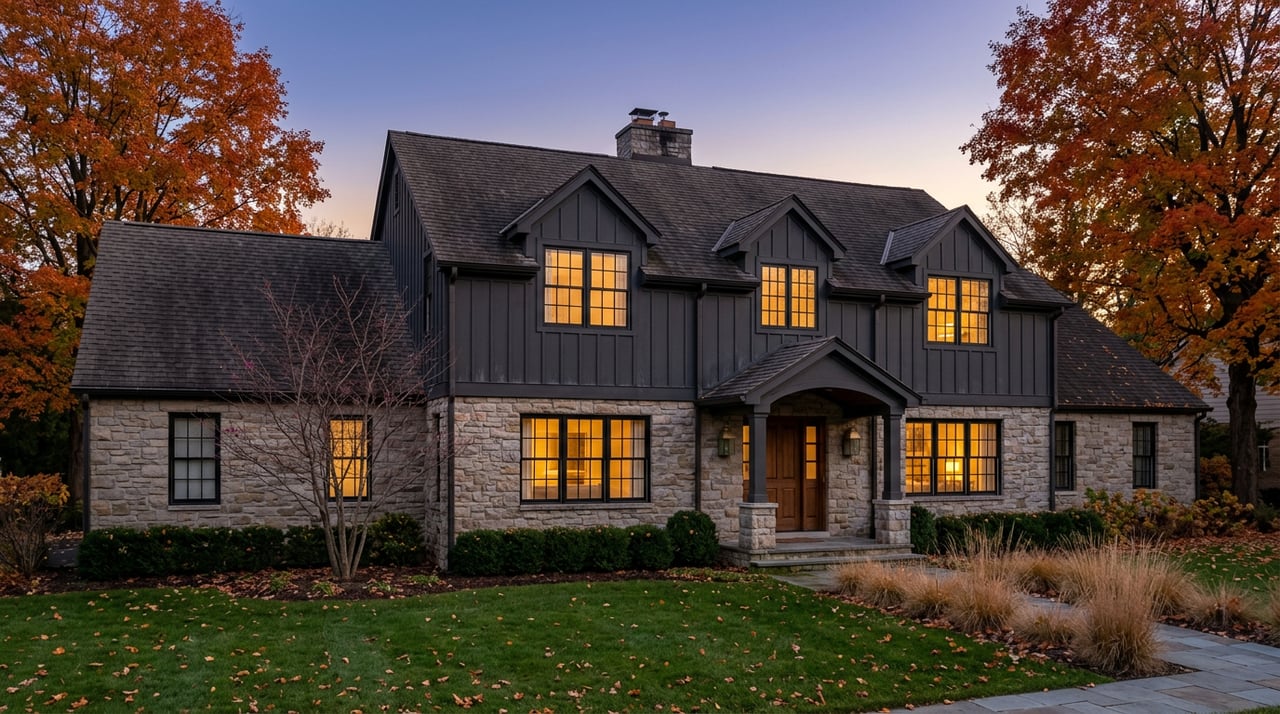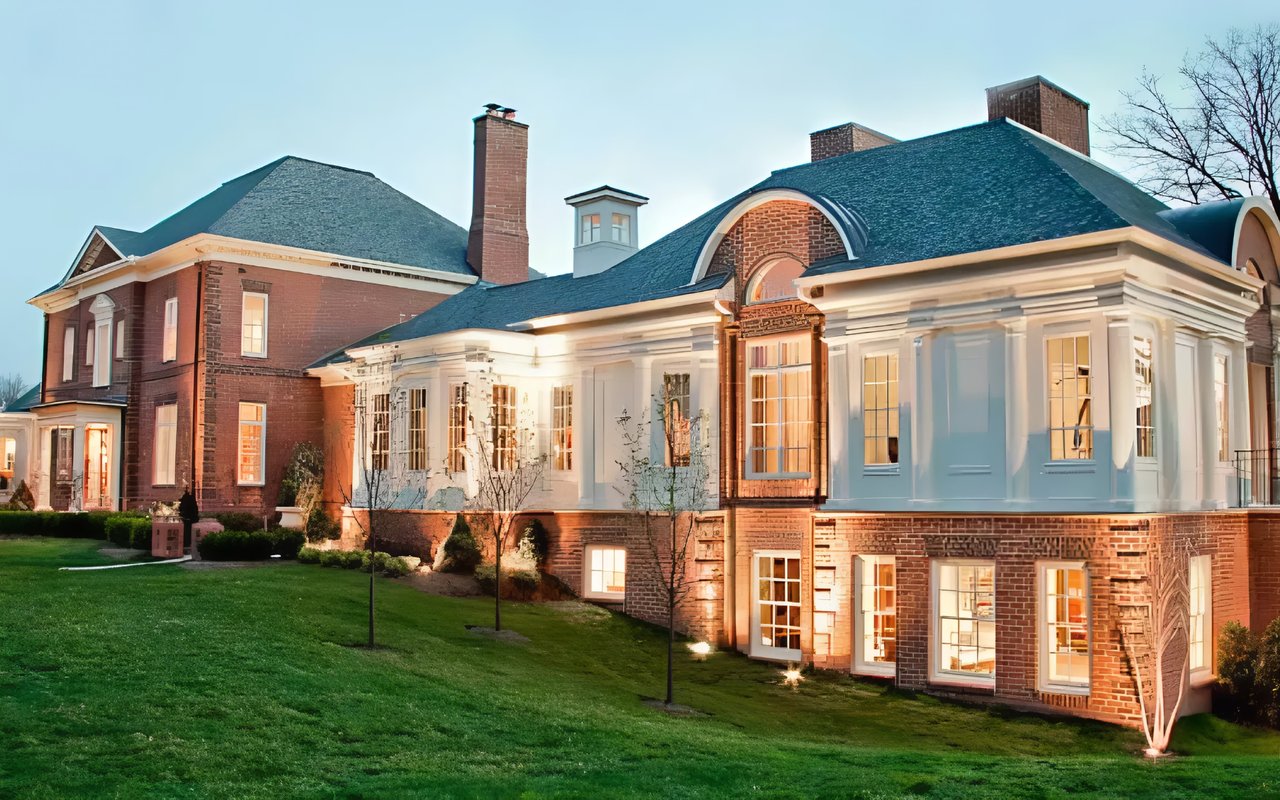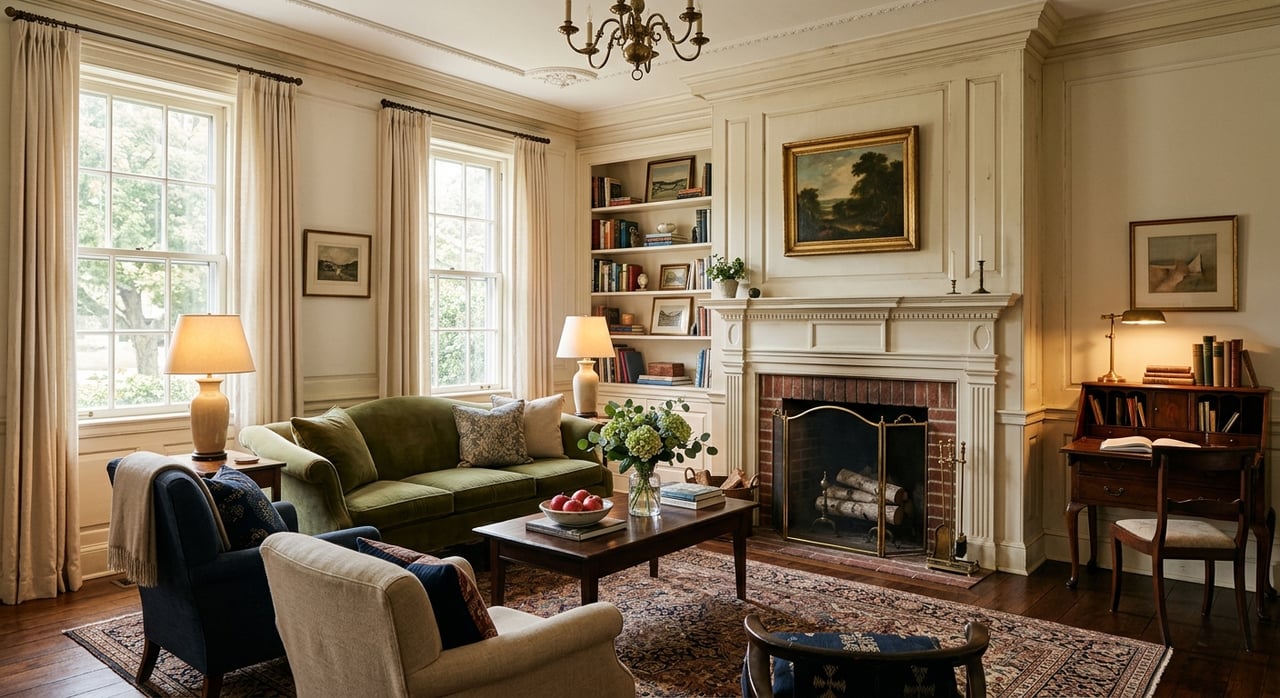
Wondering how to get your historic Bexley home ready for market without making it feel generic? That is a real concern in a city where architecture is part of the appeal, not just the backdrop. If you want buyers to see both beauty and livability, the goal is not to erase age but to present it with care. Here’s how to stage a historic Bexley home so its character stands out from the moment buyers walk in.
Why restraint works in Bexley
Bexley is known for its long-established residential character, walkable neighborhoods, and strong architectural identity. The city highlights its historic neighborhoods as an architectural treasure, with homes spanning styles from classic Tudors to Mid-Century Modern houses.
That matters when you sell. In many Bexley homes, the architecture itself is one of the main reasons a buyer is interested. A smart staging plan should help buyers notice the original details, room flow, and scale instead of covering them up with trends that could fit anywhere.
Focus on what makes the house distinctive
Historic homes often have character-defining features that newer homes simply do not. Preservation guidance points to elements like floor plans, millwork, hardware, stairs, flooring, fireplaces, plaster, doors, and windows as features worth retaining and highlighting.
For you as a seller, that usually means the best first step is not replacement. It is cleaning, repairing, and visually separating the details that already give the home its identity. If your house has original wood trim, a graceful staircase, built-ins, or old masonry, staging should draw the eye toward those features.
Let architectural details breathe
Historic rooms tend to look best when they are not overcrowded. Too many accessories, heavy furniture, or visually busy decor can hide trim lines, interrupt sightlines, and make a room feel smaller than it is.
Instead, create space around the details that matter. Leave enough negative space around a fireplace mantel, a window wall, or a formal entry so buyers can actually take in the architecture.
Respect the original room layout
Preservation guidance also cautions against radically changing room arrangements or proportions when historic character is part of the home’s value. For staging, that supports a simple principle: work with the existing layout rather than trying to force a modern open-plan feeling into every room.
If a room was designed to be a dining room, library, or formal sitting area, it often helps to stage it in a way that supports that original use. Buyers do not need every room to feel trendy. They need it to feel clear, functional, and true to the home.
Start with the highest-impact updates
Before you spend money on big changes, focus on the basics that shape buyer perception right away. National staging research points to decluttering, cleaning, and curb appeal as the most common and effective seller moves.
In Bexley, that advice lines up with local property standards. Peeling paint, broken fences, exterior clutter, and neglected maintenance can all make a home feel less cared for before a buyer ever steps inside.
Prioritize these pre-listing tasks
- Deep clean the entire home
- Remove excess furniture and personal items
- Touch up peeling or flaking paint
- Repair broken trim, hardware, or fence sections
- Clean sidewalks, entries, and driveways
- Clear outdoor clutter
- Trim landscaping so the home looks intentional and maintained
These changes do not erase character. They make character easier to see.
Use paint to support the architecture
Paint can do a lot of quiet work in a historic house. Preservation guidance treats paint as part of a building’s heritage and encourages colors appropriate to the home’s period when repainting is needed.
In practical terms, that usually means choosing a restrained palette that lets plaster walls, wood trim, masonry, and window shapes stand out. Loud, high-contrast color choices can compete with original details instead of supporting them.
Keep color calm and compatible
You do not need every room to be stark white to appeal to buyers. In fact, a softer, compatible palette often feels more natural in an older home.
Aim for colors that help the room feel bright and clean while still fitting the house’s age and materials. The right paint should make the architecture feel sharper, not flatter.
Choose furniture that fits the room
Furniture scale may be one of the most overlooked parts of staging a historic home. Older homes often have beautifully proportioned rooms, but they can feel tight fast when oversized sectionals, bulky recliners, or too many accent pieces fill the floor plan.
A better approach is to use fewer pieces with a scale that matches the room. That helps preserve circulation, keeps fireplaces and trim visible, and allows buyers to understand how the space functions.
What usually works best
- Sofas with cleaner lines and lighter visual weight
- Appropriately sized dining tables that leave room to move
- Beds and case goods that do not crowd original windows or doors
- Minimal accessories that support the room without competing with it
The goal is balance. Historic homes often shine when furnishings feel edited and intentional.
Improve lighting without overpowering the house
Lighting affects how buyers experience every surface in the home. Preservation guidance notes that visible historic lighting features can be part of the home’s character and that new systems should be added in ways that do not damage historic finishes or spaces.
For staging, that supports a light touch. Use lighting to brighten dim areas and create warmth, but avoid fixtures or lamps that dominate the room visually.
Simple lighting choices matter
In many cases, the best staging move is not dramatic replacement. It is using clean bulbs, adding a well-placed lamp, and making sure each main room feels bright, even, and welcoming.
That is especially important in entry sequences, living spaces, and dining rooms, where historic homes often create their first strong impression.
Know when not to renovate before listing
It is easy to assume a bigger pre-listing project will lead to a better result. But in Bexley, there is an important difference between cosmetic presentation work and exterior changes that may require more time, approvals, and permits.
The city’s Architectural Review Board reviews many exterior architectural changes, and the Building Department notes that permits may be required for work such as remodeling, electrical and plumbing updates, HVAC, demolition, driveways, fences, sidewalks, pools, and hot tubs. The city’s review structure also indicates that projects involving windows, siding, roofs, porches, additions, garages, and similar changes may trigger design review and permits.
A practical rule of thumb
If your improvement is light, visible, and easy to complete, it may make sense before listing. If it changes the exterior appearance or involves construction, it may need a longer timeline and a more careful return-on-investment review.
That is why many Bexley sellers benefit most from doing the high-confidence work first. Clean, repair, declutter, paint selectively, and stage thoughtfully before deciding whether larger alterations are truly necessary.
Stage the rooms buyers notice most
According to National Association of REALTORS staging research, the rooms most often prioritized are the living room, primary bedroom, dining room, and kitchen. In a historic Bexley home, those spaces often carry the emotional center of the showing.
They also tend to be the rooms where original details and daily function meet. When these spaces feel bright, calm, and well-scaled, buyers can more easily picture themselves living in the home.
Where to put your effort first
| Room | Why it matters in a historic Bexley home | Best staging focus |
|---|---|---|
| Living room | Often showcases fireplaces, trim, windows, and gathering space | Edit furniture, highlight architecture, improve lighting |
| Primary bedroom | Helps buyers assess comfort and scale | Keep it calm, simple, and open |
| Dining room | Often reflects original room purpose and proportion | Use a table that fits, keep sightlines clear |
| Kitchen | Balances function with historic context | Declutter surfaces, simplify decor, emphasize cleanliness |
What buyers are likely hoping to see
Most buyers interested in a historic Bexley home are not looking for a house stripped of age and detail. They are more likely looking for a home that feels authentic, cared for, and ready to enjoy.
That means your staging should send a clear message. This house has history, and it has been presented with intention. It feels clean, bright, proportionate, and livable without losing the qualities that make it special.
The best staging question to ask
Instead of asking, "How do I modernize everything?" ask, "How do I help buyers see what is already here?" That shift usually leads to better decisions in a historic home.
When you stage with restraint, you protect the house’s identity while making it easier for buyers to connect with it. In a place like Bexley, that balance can be one of your biggest advantages.
If you are preparing a historic home for sale and want a plan that balances design, timing, and return, Nth Degree can help you align staging, presentation, and pre-listing improvements without losing sight of what makes your home worth noticing.
FAQs
How much should you change before selling a historic home in Bexley?
- Usually less than you think. Start with cleaning, decluttering, visible repairs, and staging that reveals original features before considering larger changes.
Should you modernize every room in a historic Bexley house before listing?
- Not necessarily. Preservation guidance supports compatibility over wholesale replacement, especially when original materials, finishes, and room proportions still contribute to the home’s character.
What rooms matter most when staging a Bexley home for sale?
- The living room, primary bedroom, dining room, and kitchen are the rooms most often prioritized in staging research and often carry the strongest impact during showings.
Do exterior updates in Bexley ever require review or permits?
- Yes. The city notes that many exterior changes, including some work involving windows, siding, roofs, porches, additions, and garages, may require design review and permits.
What is the biggest staging mistake in a historic Bexley home?
- Overpowering the architecture. Oversized furniture, too much decor, and overly trendy finishes can distract buyers from the original features that make the home distinctive.