Asheville · Cashiers · Highlands · Lake Toxaway · Sapphire · Brevard
Urban amenities, mountain access, and the Blue Ridge lifestyle — Asheville is Western NC's largest and most diverse luxury real estate market.
Asheville Real Estate · Quick Reference
Asheville NC Homes for Sale: Urban Amenities Meet Mountain Living
- Location: Buncombe County, Western NC — elevation 2,134 feet; approximately 2 hours from Charlotte, 2.5 hours from Atlanta, 4 hours from Nashville
- What defines this market: Asheville is the largest city in Western NC and the region's cultural, dining, and employment hub — offering urban amenities (fine dining, arts, healthcare, higher education) within minutes of Blue Ridge mountain access. Unlike Cashiers, Highlands, or Lake Toxaway, Asheville is a primary residence market as well as a second‑home market
- Price range: Active listings range from $300,000 (entry‑level condos) to $15,000,000+ (Biltmore Forest and estate‑scale properties); median sale price approximately $505,000 as of early 2025
- Market character: Diverse and active — supply and demand are more balanced than the smaller resort communities; luxury tier ($1M+) is well‑established with consistent inventory turnover
- County: Buncombe County — largest county in Western NC; property taxes are county‑level only (no municipal tax for unincorporated areas)
- Buyer mix: Primary residence buyers (largest segment), second‑home buyers, retirees, remote workers, healthcare and creative professionals, investors
Asheville is the gateway to Western North Carolina's luxury real estate market. Buyers who want urban amenities — nationally acclaimed dining, a vibrant arts scene, world‑class healthcare, and the Biltmore Estate — alongside Blue Ridge mountain access choose Asheville. The Nth Living team covers Asheville alongside Cashiers, Highlands, Lake Toxaway, and Sapphire — and we work with buyers trying to understand how these markets compare before committing to one. Asheville is often the entry point for buyers new to Western NC, and many eventually expand to the smaller resort communities as they become more familiar with the region.
Search Asheville Listings
Browse active listings for downtown condos, historic homes, mountain estates, and luxury properties across the Asheville market.
Asheville: Market Facts
Elevation
2,134 ft
Lower than Highlands/Cashiers; still cooler than lower-elevation SE cities
County
Buncombe
Largest county in Western NC; county‑level property taxes
Population
~95,000
Metro area ~470,000 — largest city in Western NC
Median Home Price
~$505,000
Early 2025; luxury tier $1M+ is well‑established
Price per Sq Ft
~$289
Significantly lower than resort communities; more inventory
Days on Market
~45
Highly active market; well‑priced properties move quickly
Asheville NC Homes for Sale: Property Types and Price Tiers
Biltmore Forest / Estate‑Scale
$2M–$15M+ · Asheville's most prestigious address
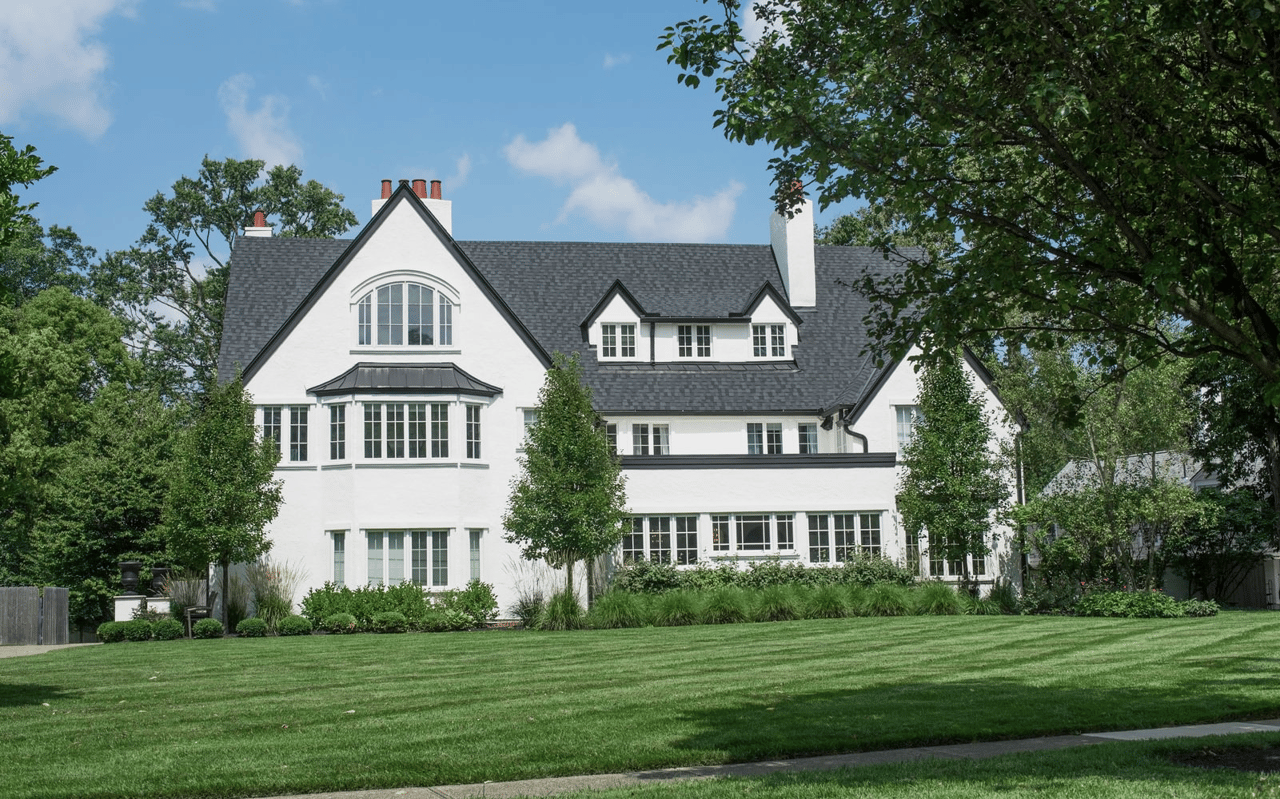
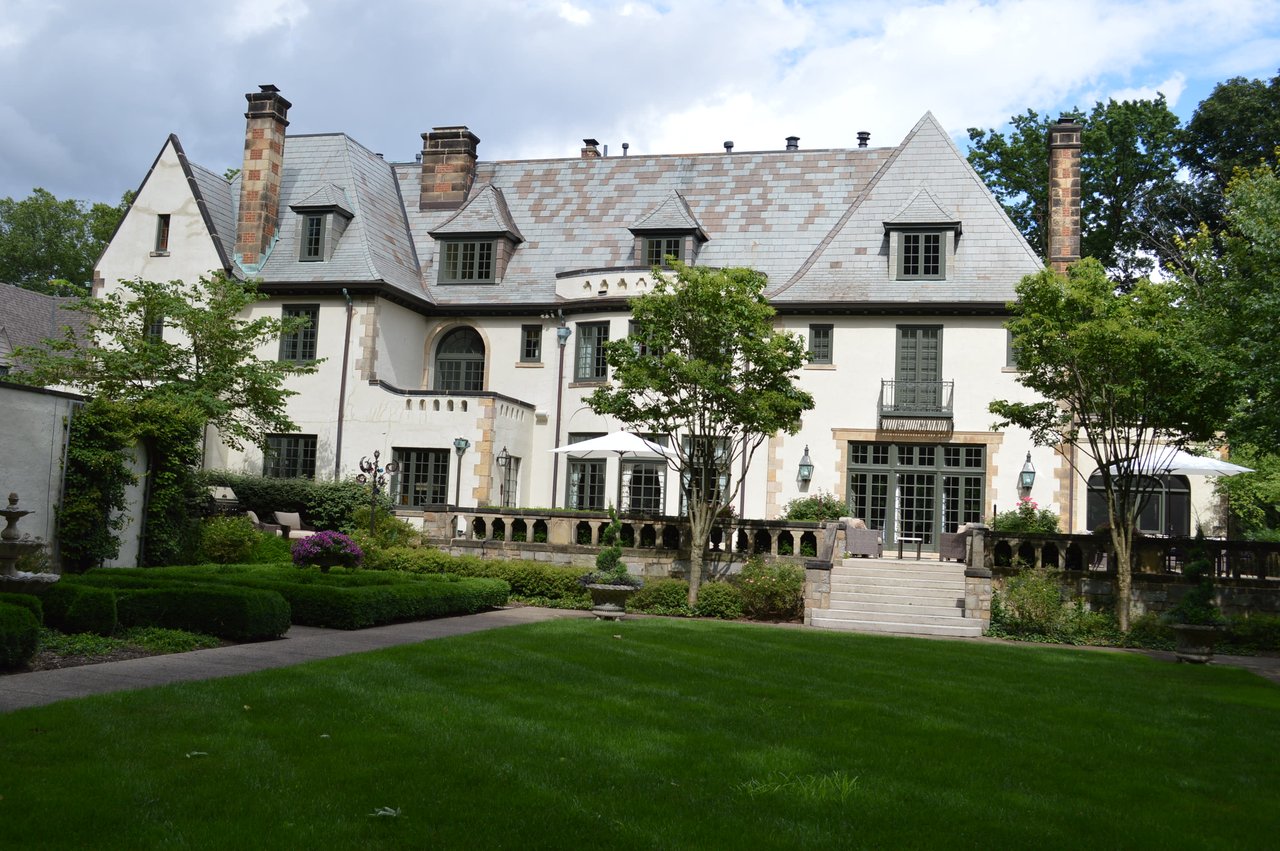
Biltmore Forest is the premier gated community in Asheville — adjacent to the Biltmore Estate, with large lots, historic and custom homes, and a private golf club. This is the Asheville equivalent of Cashiers' Wade Hampton or Highlands' Sagee Woods Drive. Homes typically range from 4,000 to 10,000+ sq ft with significant land. Current active examples include $5M+ estates on large lots with mountain views and privacy.
Downtown / Historic Districts
$700K–$3M+ · Montford, Grove Park, Historic Kenilworth
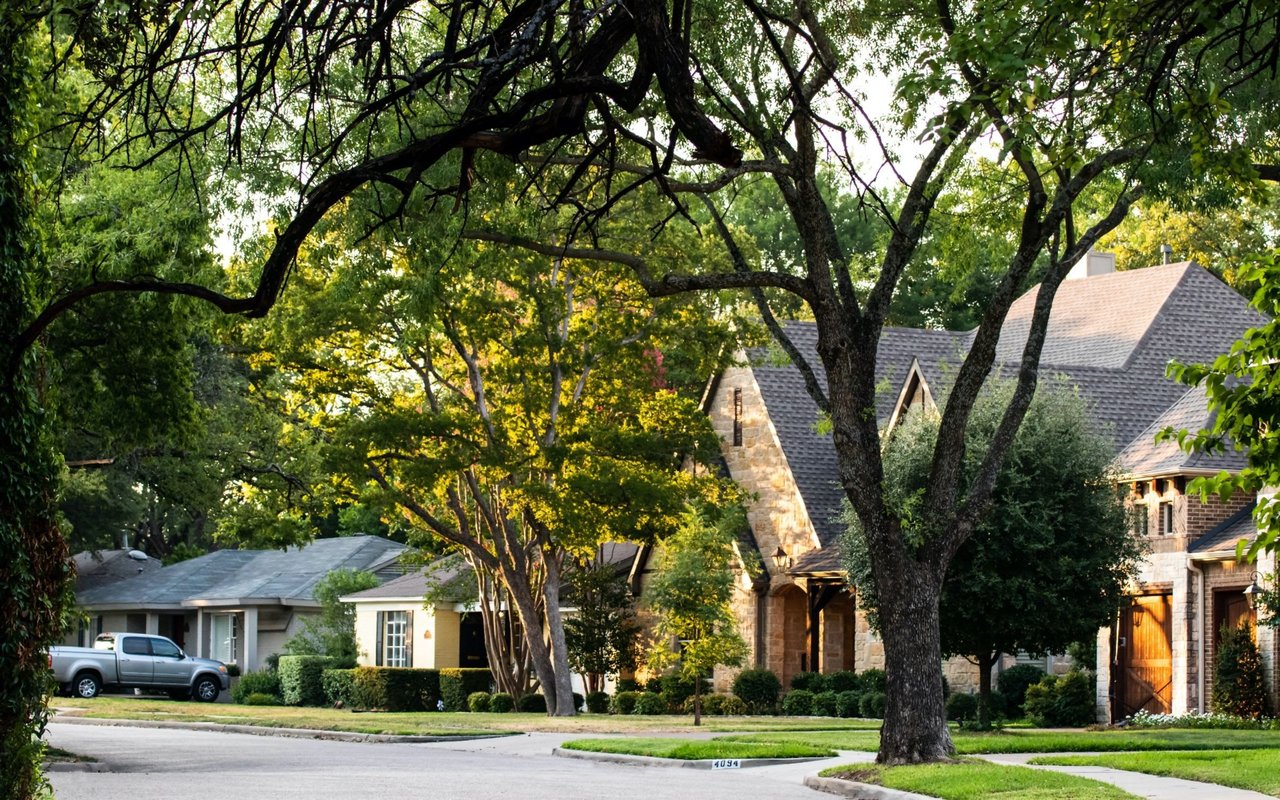
Historic neighborhoods near downtown Asheville with walkable access to restaurants, galleries, and the urban core. Montford is the most prestigious historic district — beautiful early 20th‑century homes on tree‑lined streets. Grove Park is anchored by the Grove Park Inn and offers a mix of historic estates and newer construction. Kenilworth offers proximity to the Biltmore Estate. These are primary residence buyers who want walkability and neighborhood character.
Mountain View / Private Setting
$800K–$5M+ · Views and privacy within 15 min of downtown
Homes in the Asheville area with Blue Ridge mountain views, privacy, and proximity to downtown — often on 1‑5 acre lots in the surrounding hills. These are the Asheville equivalent of the private mountain estate market, but with more inventory and lower prices than the resort communities. Buyers who want mountain living with urban amenities within a 10‑15 minute drive choose this category.
Golf / Resort Communities
$600K–$2.5M+ · Clubs and amenities
Properties near private golf clubs and resort communities in the Asheville area — including the Biltmore Forest Country Club, The Cliffs at Walnut Cove, and others. This market is distinct from the Cashiers club‑community model but serves a similar buyer profile: those who want club amenities but prefer the larger city lifestyle of Asheville over the small‑town feel of Cashiers or Highlands.
Entry‑Level / Condos
$300K–$600K · Downtown and suburban condos
Lowest entry into the Asheville market — condos, townhomes, and smaller single‑family homes in suburban areas. These attract first‑time buyers, investors, and buyers who want a smaller mountain retreat without the maintenance of a larger single‑family home. Downtown condos with walkable access to restaurants and galleries command premiums.
Asheville Neighborhoods Overview
Biltmore Forest
Asheville's most prestigious gated community — adjacent to the Biltmore Estate. Large lots, historic and custom homes, private golf club. Homes typically $2M–$15M+.
Montford
Historic district near downtown — beautiful early 20th‑century homes, tree‑lined streets, walkable to downtown dining and galleries. $700K–$2.5M+.
Grove Park
Anchored by the Grove Park Inn — mix of historic estates and newer construction. Panoramic mountain views, proximity to downtown. $800K–$3M+.
Historic Kenilworth
Biltmore Estate adjacent — primarily early 20th‑century homes on smaller lots. Walkable to the Biltmore Village shops and restaurants. $700K–$1.5M+.
South Asheville / Biltmore Park
Newer construction, mixed‑use development, proximity to the airport and I‑26. Popular with families and professionals. $450K–$1.2M+.
North Asheville / Beaverdam
Larger lots, mountain views, proximity to the Blue Ridge Parkway. A mix of older homes and new construction. $500K–$2M+.
Asheville vs. Cashiers vs. Highlands vs. Lake Toxaway vs. Sapphire
Asheville is the largest and most diverse market in Western NC — urban amenities with mountain access, compared to the smaller resort communities that are primarily second‑home destinations.
Factor | Asheville | Cashiers | Highlands | Lake Toxaway | Sapphire |
|---|
Primary appeal | Urban amenities + mountain access | Private golf clubs | Walkable town, arts, dining | Private lake | Broad‑amenity club |
Elevation | 2,134 ft | 3,484 ft | 4,118 ft | 3,010 ft | ~3,500 ft |
Median Price | ~$505K | ~$2.2M | ~$1.235M | Varies | ~$875K |
Entry Price | $300K (condo) | ~$249K (Cullowhee) | ~$379K (lot) | ~$299K (no lake) | ~$350K (condo) |
Walkability | Yes — downtown neighborhoods | No — club‑gated | Yes — Main Street | No — private lake | No — club‑gated |
Best for | Buyers wanting urban lifestyle + mountain access | Buyers wanting maximum club prestige | Buyers wanting walkable town + culture | Buyers wanting private lake | Buyers wanting club amenities at accessible entry |
See our Cashiers NC, Highlands NC, Lake Toxaway NC, and Sapphire NC guides for the full breakdown of those markets.
About the Nth Degree Real Estate Team
The Nth Degree Team brings a unique perspective to Asheville luxury real estate: the perspective of buyers who have already made this move. After building a celebrated luxury real estate and interior design practice in Ohio, they relocated to Western North Carolina for the same reasons their clients do. That shared experience, combined with a sharp eye and deep knowledge of what makes a property truly exceptional, is what sets their searches apart. The team covers Asheville as part of its Western NC portfolio, working from the Hendersonville office alongside the Central Ohio base. They work with buyers relocating from Columbus, buyers flying into Asheville, and Atlanta‑area buyers who have been watching the Asheville market for years before making a move.
Asheville NC Homes for Sale: Frequently Asked Questions
What is Asheville NC known for?
Asheville is known as the cultural and culinary capital of Western North Carolina — a vibrant city with nationally acclaimed dining, a thriving arts scene, the Biltmore Estate (America's largest private home), and the Blue Ridge Parkway. It is the largest city in Western NC with approximately 95,000 residents and a metro area of 470,000. Unlike the resort communities of Cashiers, Highlands, and Lake Toxaway, Asheville is a primary residence market with strong employment, healthcare (Mission Hospital), and education (UNCA) sectors.
How much do Asheville NC homes cost?
Asheville homes range from approximately $300,000 for entry‑level condos to over $15,000,000 for Biltmore Forest estates. The median sale price is approximately $505,000 as of early 2025, with a price per square foot of approximately $289. Luxury properties ($1M+) are well‑established with consistent inventory turnover. Historic districts like Montford and Grove Park command premiums, as do mountain‑view properties and Biltmore Forest. Days on market average approximately 45 — a highly active market. Confirm current pricing with Nth Living.
What are the best neighborhoods in Asheville NC?
The best neighborhoods in Asheville include Biltmore Forest (most prestigious gated community, adjacent to Biltmore Estate, $2M–$15M+), Montford (historic district near downtown, $700K–$2.5M+), Grove Park (estates and newer homes near Grove Park Inn, $800K–$3M+), Historic Kenilworth (Biltmore Estate adjacent, $700K–$1.5M+), South Asheville/Biltmore Park (newer construction, family‑friendly, $450K–$1.2M+), and North Asheville/Beaverdam (larger lots, mountain views, $500K–$2M+).
What county is Asheville NC in?
Asheville is in Buncombe County, NC — the largest county in Western North Carolina. The city of Asheville is incorporated, so buyers are subject to both Buncombe County property taxes and City of Asheville municipal taxes. The county seat is Asheville itself. Buncombe County is part of the Asheville Metropolitan Statistical Area.
What is the elevation of Asheville NC?
Asheville sits at approximately 2,134 feet above sea level — lower than Highlands (4,118 ft), Cashiers (3,484 ft), or Lake Toxaway (3,010 ft). This elevation still provides a meaningful climate advantage over lower‑elevation Southeastern cities — summers are comfortable with average highs in the low 80s°F, and winters bring occasional snowfall. The Blue Ridge Parkway and surrounding mountains provide easy access to higher elevations for recreational purposes.
How does Asheville compare to Cashiers or Highlands for luxury real estate?
Asheville, Cashiers, and Highlands serve different buyer profiles. Asheville is a city — the largest in Western NC — with urban amenities, employment, healthcare, and a diverse property market. Cashiers and Highlands are small resort communities defined by private club and town character. Buyers who want urban lifestyle, dining, arts, and employment proximity choose Asheville. Buyers who want maximum privacy, club exclusivity, and a small‑town mountain retreat choose Cashiers or Highlands. Prices are generally higher in the resort communities for comparable properties, but Asheville offers a much broader range of property types and price tiers.
Is Asheville a good place for a second home?
Yes. Asheville is one of the most popular second‑home destinations in the Southeast. Its combination of urban amenities (dining, arts, healthcare), mountain access (Blue Ridge Parkway, Pisgah National Forest), and a strong cultural scene makes it attractive to second‑home buyers. Unlike Cashiers or Highlands, Asheville offers a broader range of property types, making it accessible to more buyers. Many second‑home buyers start in Asheville and eventually add a smaller property in Cashiers, Highlands, or Lake Toxaway after becoming familiar with the region.
Sources: Buncombe County tax records, City of Asheville, MLS data (current active listings), and Nth Degree Team expertise. All market data is subject to change. Verify current pricing and property specifics with the Nth Degree Team.
Find Your Asheville Dream Home
Whether you are looking for a Biltmore Forest estate, a historic Montford home, or an entry‑level condo, the Nth Degree Team has the local expertise to guide you through Asheville's diverse and active market.