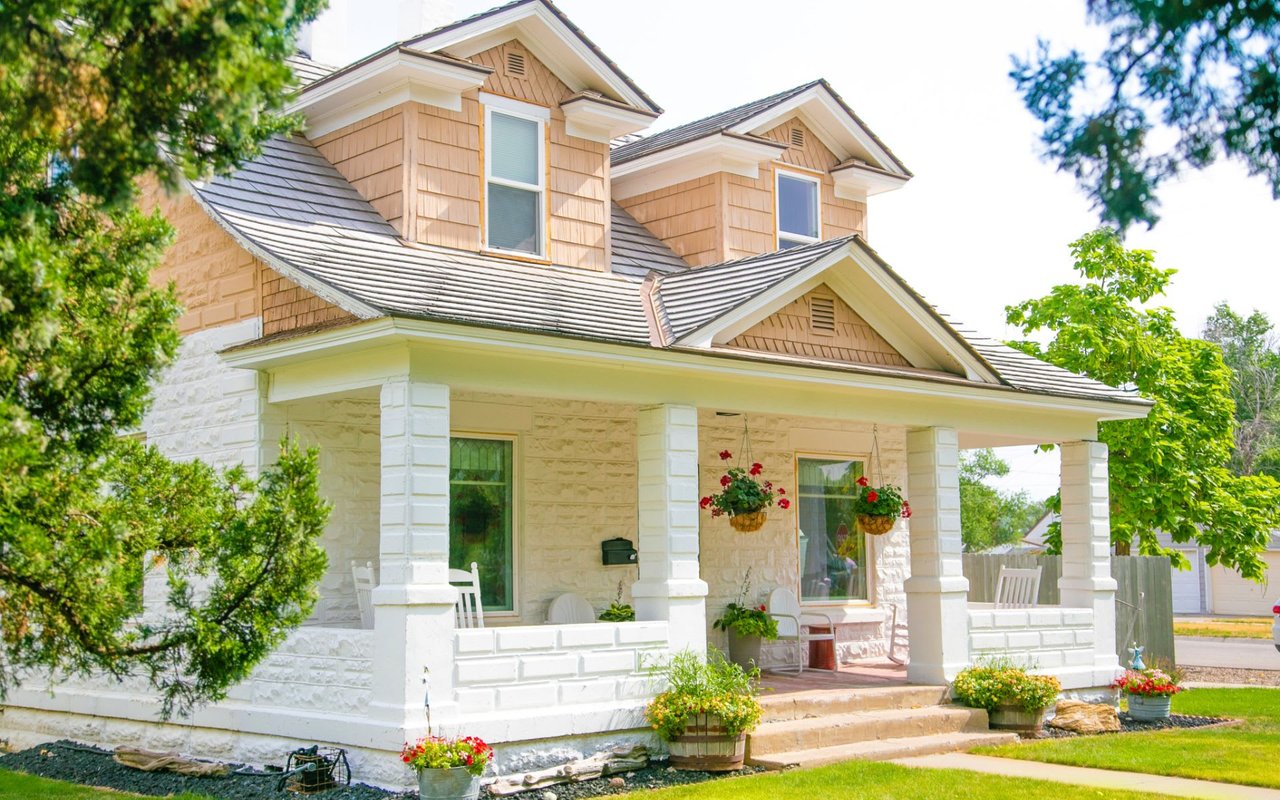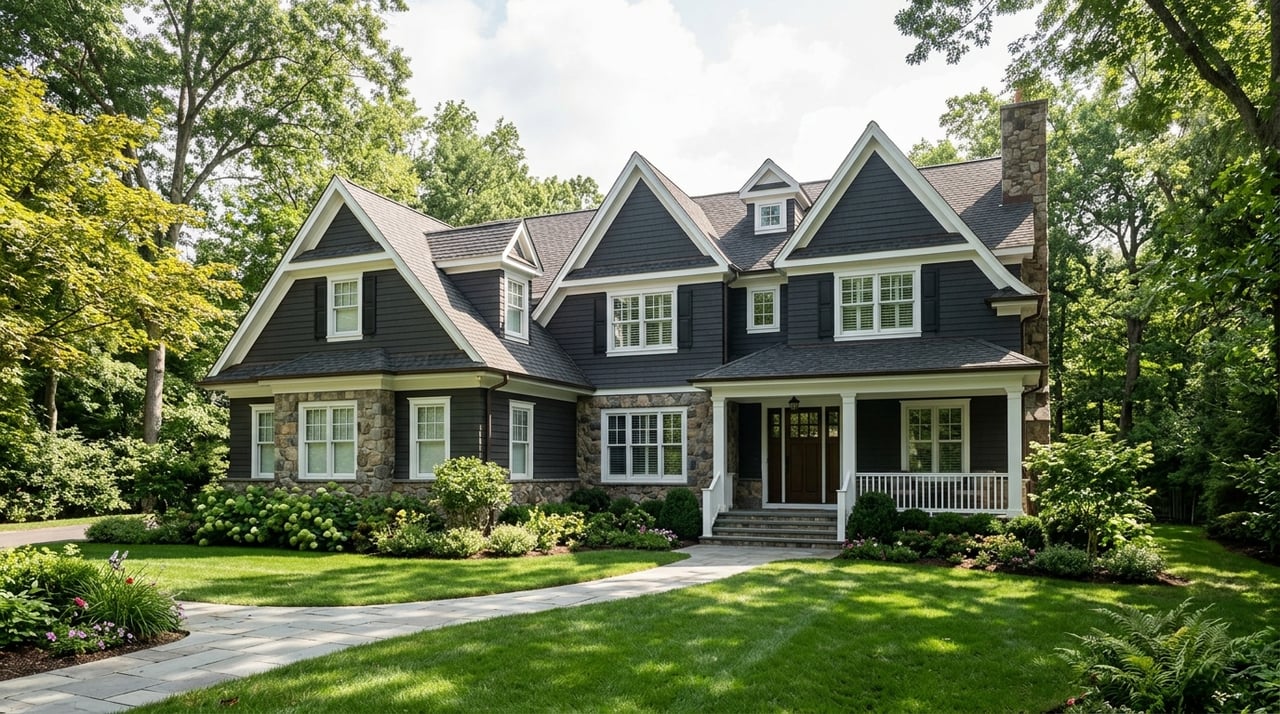
If you are drawn to Western North Carolina but want something more grounded than a pure luxury enclave, Brevard deserves a closer look. This mountain market attracts both full-time residents and second-home buyers, which can make the decision feel less straightforward than the scenery suggests. The good news is that the numbers tell a clear story about pricing, pace, and where the best opportunities tend to show up. Let’s dive in.
Brevard's Market Position
Brevard sits in a mid-to-upper mountain market. Public housing data places the city in the high-$500,000s, with Redfin reporting a median sale price of $570,000 and Realtor.com showing a median listing price of $579,500. Countywide, the picture trends slightly higher, with sale and listing figures around the low $600,000s.
That matters because Brevard is not a bargain mountain town. At the same time, it does not operate at the pricing level of nearby luxury-focused markets like Highlands or Cashiers, where median prices climb much higher. In practical terms, Brevard often appeals to buyers who want mountain access and lifestyle value without stepping fully into the top luxury tier.
How Brevard Compares Nearby
For many buyers, the real question is not whether Brevard is expensive. It is whether it feels like the right kind of expensive for what you want. Compared with Asheville, Brevard trends somewhat pricier and can move a bit more competitively in certain segments, while still offering a smaller-town setting.
Compared with Highlands and Cashiers, Brevard is more accessible. Highlands shows a median listing price of $1.35 million, while Cashiers posts a median sale price of about $2.0 million. That leaves Brevard in a middle-ground position that can be appealing if you want a mountain property with strong lifestyle appeal but a lower entry point than the region’s highest-end second-home markets.
Price Bands Across Transylvania County
One of the most important things to understand is that Brevard is not one single price point. Across Transylvania County, public listing data shows meaningful variation by area. Brevard is around $579,500, Pisgah Forest around $557,500, Rosman around $499,000, Sapphire around $849,000, and Lake Toxaway around $1.25 million.
That spread tells you a lot about how this market behaves. You will typically find a more attainable tier in town or near town, while some surrounding areas lean further into second-home and higher-end pricing. If you are deciding whether Brevard is right for you, your location strategy matters just as much as your budget.
What Types of Homes Dominate
Detached homes are the center of gravity in this market. According to the county housing strategy, single-family detached homes make up 75.4% of all housing units in Transylvania County. Mobile homes account for 13.2%, while attached and small multifamily housing represent much smaller shares.
That shape of inventory influences your search. If you are hoping for dense condo inventory or lots of newly built attached housing, Brevard may feel limited. If you are looking for a mountain home, a primary residence with privacy, or a second home with room to personalize, the existing stock lines up much more closely with those goals.
Why Renovation Matters Here
If you like the idea of creating value through smart updates, Brevard may be especially interesting. The county reports that 99% of housing-development permits analyzed from 2020 through 2023 were for single-family residential construction, and in 2023 the most common permit type was additions or remodels rather than new houses. In other words, a lot of the action is happening in the existing housing stock.
That makes renovation-ready homes worth serious attention. Much of the county’s housing was built between 1970 and 2009, and development in the 2010s slowed compared with earlier decades. For buyers who can see potential beyond finishes and cosmetic condition, the path to a better fit may come from updating an existing home rather than waiting for abundant new construction.
A Market Shaped by Full-Time and Seasonal Owners
Brevard works differently from a purely local market because both primary-residence demand and second-home demand play a role. In 2023, Transylvania County had about 19,147 housing units, and 3,266 of them, or 17.1%, were classified as vacant for seasonal, recreational, or occasional use. The county plan notes that these units are largely second homes and short-term rentals.
Tourism data adds another layer. About 42% of short-term rentals are in Brevard, with another 40% in western Transylvania County. That helps explain why some parts of the market feel lifestyle-driven and why turnkey, well-presented homes can draw strong interest from buyers who are not only thinking about year-round living.
Why Brevard Still Feels Like a Real Town
Even with that seasonal influence, Transylvania County remains mostly owner-occupied. Census QuickFacts reports a 74.7% owner-occupied rate in 2024. That means Brevard is not simply a vacation market. It is also a place where people live full time, which gives the area a more balanced feel than some resort-heavy towns.
There is also an active local conversation around housing. The City of Brevard has approved zoning updates that allow triplexes and fourplexes by right, larger accessory dwelling units, and irregular lot subdivisions. In 2025, the city also acquired about 3.8 acres for a multifamily project that could include up to 60 units, which signals an effort to broaden housing options over time.
What Current Conditions Mean for Buyers
Brevard is not a frenzy market, but it is also not a market where you can assume deep discounts. Redfin reports that homes in Brevard average about 65 days on market and sell for roughly 3% below list price. Some homes receive multiple offers, and the hottest listings can go pending in about 32 days.
That creates a market that rewards preparation. If you are buying, it helps to be fully pre-approved, realistic about pricing, and ready to act when a well-kept home is priced correctly. You may have room to negotiate on some properties, but the best listings can still move quickly.
What Current Conditions Mean for Sellers
If you own a property in Brevard or are considering selling into this market, presentation matters. Buyers here often weigh not just location and square footage, but also condition, design, and whether a home feels move-in ready. In a market where median prices are healthy but buyer expectations are also elevated, polished execution can help you stand out.
This is especially true for older homes. Because the local housing stock skews toward existing detached properties, thoughtful pre-listing updates, interior design improvements, and strong staging can help buyers connect with the home more quickly. In a market shaped by both local and second-home demand, visual appeal and perceived readiness can carry real weight.
Is Brevard Right for Your Goals?
Brevard may be the right mountain market for you if you want a place that blends lifestyle appeal with a more grounded pricing profile than the region’s ultra-luxury enclaves. It can also be a strong fit if you are open to buying an existing home and improving it over time. The best opportunities here often come from choosing the right location, understanding the condition of the property, and recognizing where updates can create long-term value.
It may be less ideal if you are looking for widespread new construction, a deep supply of attached housing, or entry-level pricing. Land constraints, rising construction costs, limited infrastructure, and the fact that more than half the county’s land is publicly owned and protected all make large-scale expansion harder here. That scarcity is part of what supports values, but it also shapes what buyers should realistically expect.
How to Approach Brevard Strategically
If Brevard is on your shortlist, a focused plan can make your decision easier:
- Define whether you want a primary residence, a second home, or a property with update potential.
- Compare in-town Brevard with nearby areas like Pisgah Forest, Rosman, Sapphire, and Lake Toxaway based on pricing and lifestyle priorities.
- Pay close attention to condition, not just list price.
- Be ready to move when a well-priced, well-maintained home hits the market.
- Consider whether a home with renovation potential could deliver a better long-term fit than a fully finished property.
For many buyers and sellers, that last point is where the real opportunity lives. In Brevard, success often comes from seeing the full picture of a property, not just the first showing impression.
If you are weighing a move, a second-home purchase, or a sale in Brevard, working with a team that understands both market positioning and property transformation can help you make a smarter decision. To start your next chapter with strategy, design insight, and hands-on guidance, connect with Nth Degree.
FAQs
Is Brevard, NC considered an expensive mountain market?
- Yes. Public market data places Brevard in the high-$500,000 range, which makes it expensive for a small mountain town, though still below ultra-luxury markets like Highlands and Cashiers.
Are most homes in Brevard single-family homes?
- Yes. Transylvania County’s housing stock is dominated by detached single-family homes, which make up 75.4% of all housing units.
Is Brevard, NC more of a second-home market or a full-time residential market?
- It is a blend of both. The county has a notable share of seasonal housing, but it also has a 74.7% owner-occupied rate, so full-time residency remains a major part of the market.
Do homes in Brevard, NC sell quickly?
- It depends on the property. Average market time is around 65 days in Brevard, but well-priced and well-presented homes can move much faster and may receive multiple offers.
Are renovation opportunities common in Brevard, NC?
- Yes. Much of the housing stock is older, new construction is limited, and remodeling activity is more common than large waves of new home development.