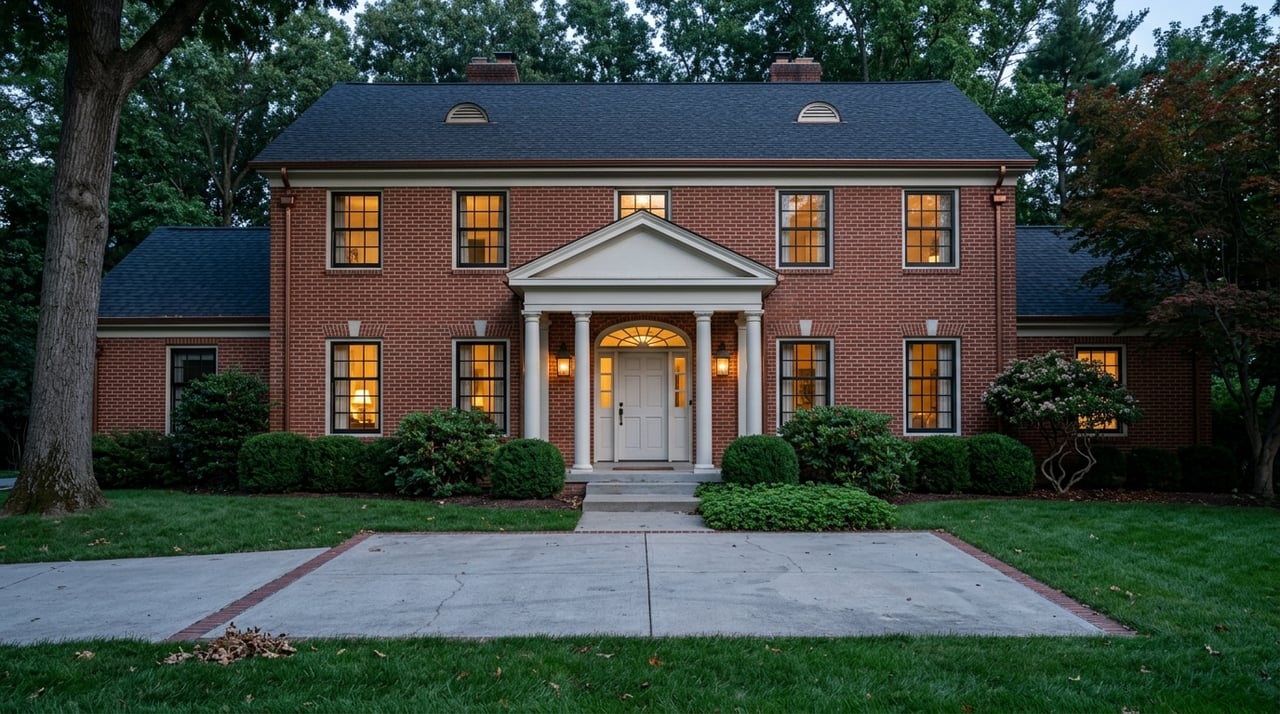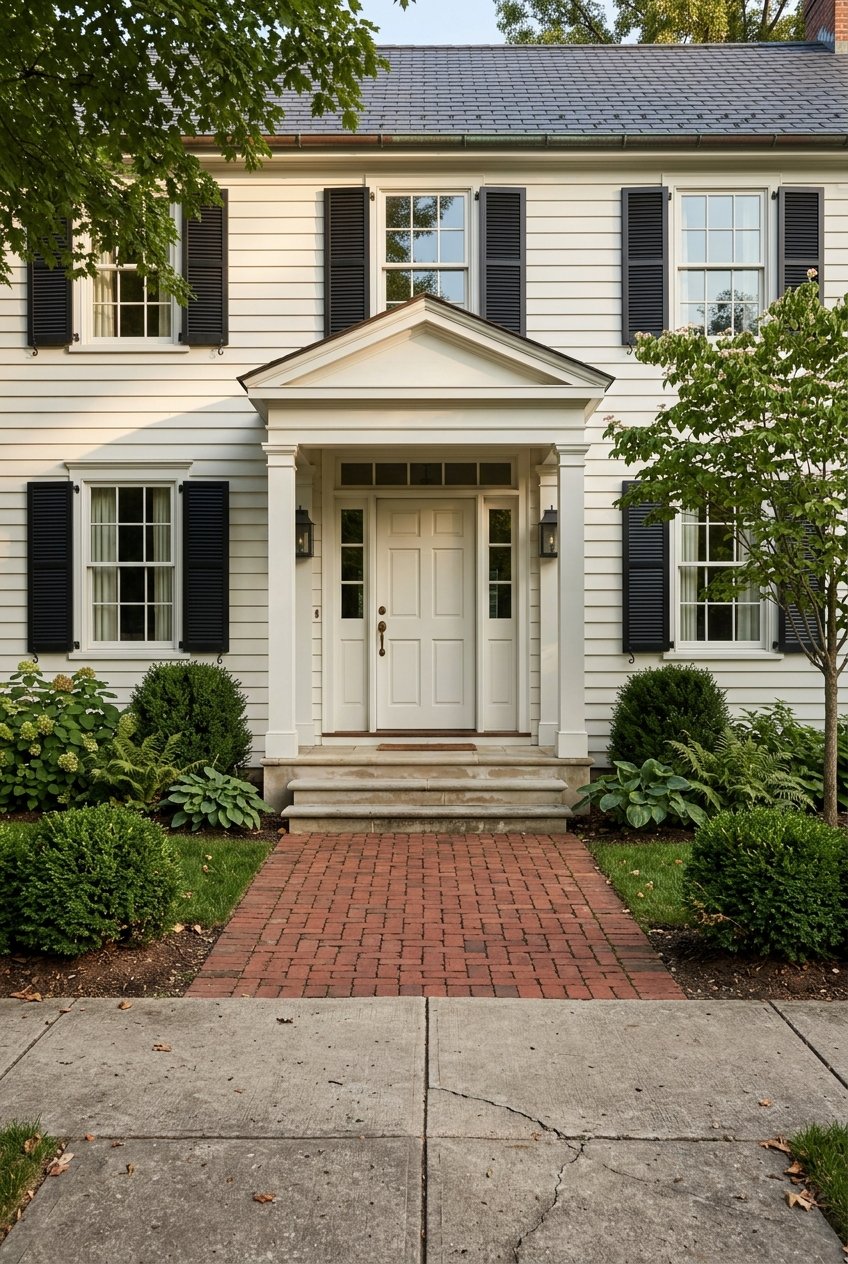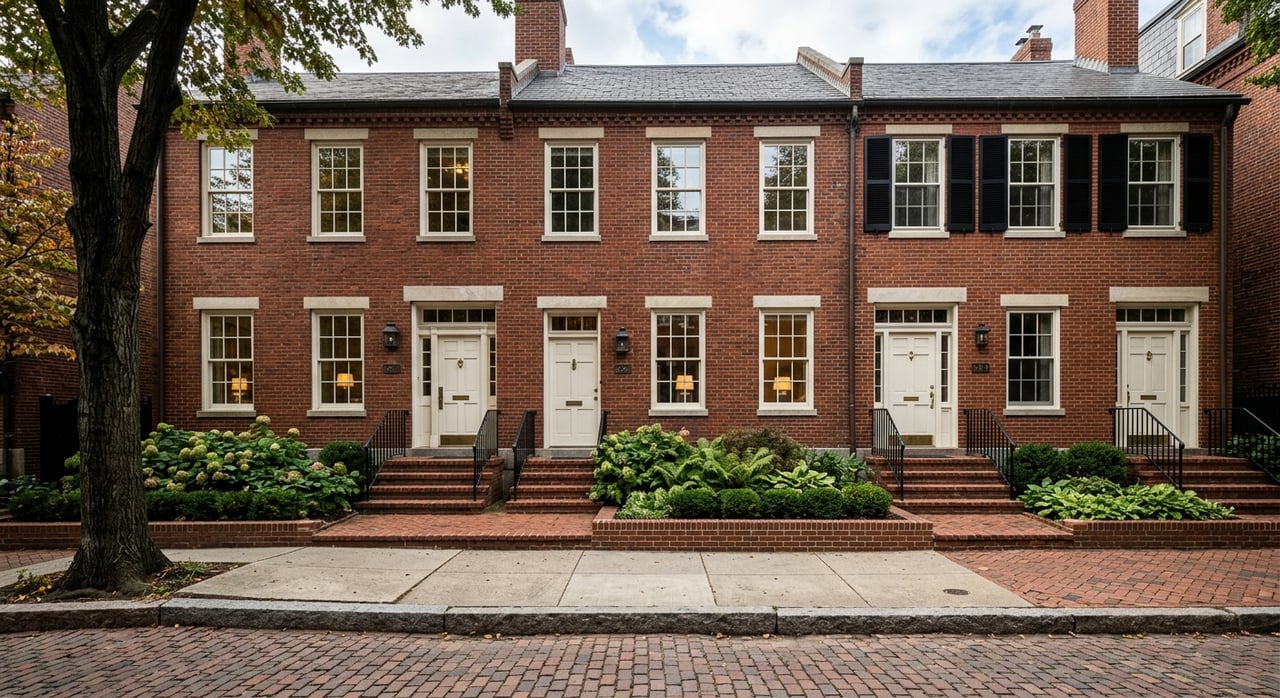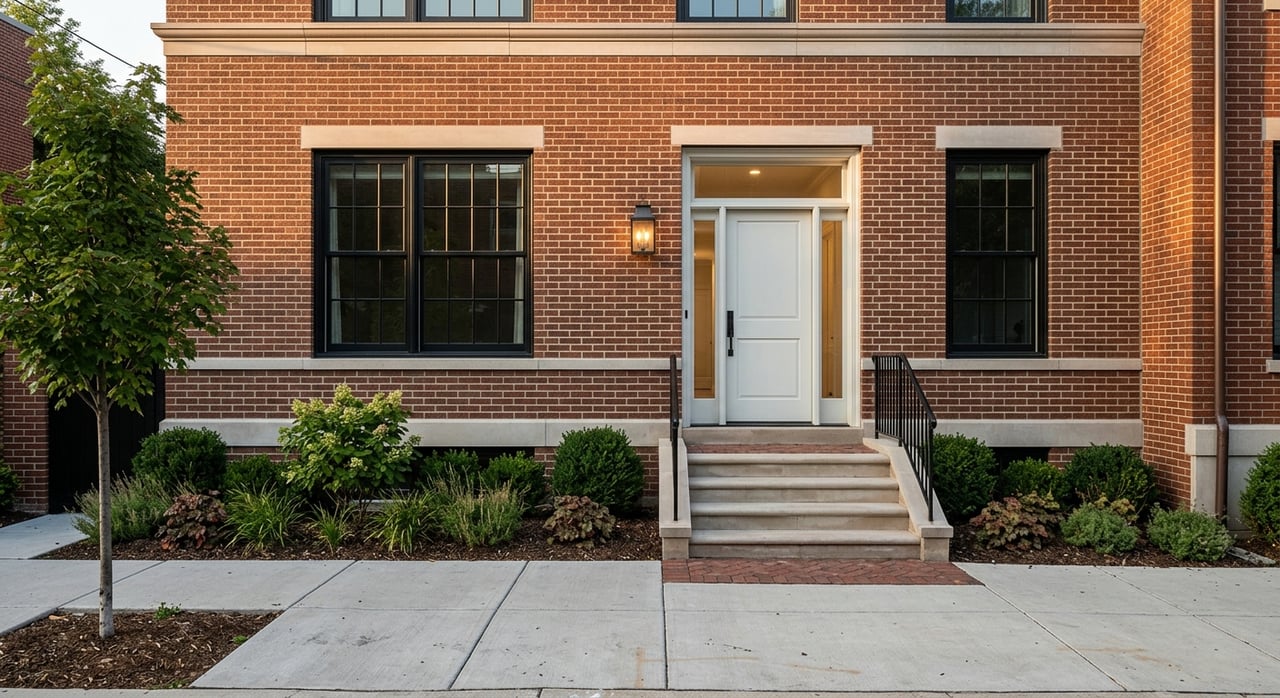
If you are preparing to sell a luxury home in New Albany, it can be tempting to tackle every update on your wish list. In reality, the smartest pre-listing plan is usually not the biggest one. With local review requirements, permit timing, and the need to stay aligned with nearby comparable sales, selective improvements often deliver the best return and the smoothest launch. Let’s dive in.
Why timing matters in New Albany
In New Albany, renovation timing is not just about contractor availability. The city reviews residential small projects and exterior modifications on Tuesday mornings, and roofs, decks, fences, and patios require both plan review and a permit.
Some exterior changes may also need review through the Architectural Review Board if they affect environmental or zoning conditions. That means sellers who wait too long to plan exterior work can run into preventable delays right before listing.
For a luxury seller, this matters because presentation and timing go hand in hand. A polished listing loses momentum if the final punch list collides with approvals, inspections, or unfinished outdoor work.
Start with resale reality
Before you choose finishes or call contractors, look at your home through the lens of the current market. The goal is to understand what nearby comparable sales support, where your home is already competitive, and where strategic upgrades could improve buyer perception.
This step helps you avoid over-improving. Zillow notes that sellers can spend too much chasing custom or top-of-the-line results that the market may not fully reward.
In New Albany’s luxury segment, that does not mean cutting corners. It means focusing your budget on updates that improve condition, style, and functionality without pushing far beyond what buyers expect in your price range.
Prioritize selective updates
Recent seller behavior shows that pre-listing improvements are common. Zillow reported that 72% of sellers made at least one improvement before listing, with interior paint, bathroom updates, kitchen work, landscaping, and flooring among the most common projects.
That lines up well with what tends to work before a luxury sale. Broad-impact updates that make the home feel fresh, cohesive, and move-in ready often do more for marketability than a long, expensive remodel.
Kitchen updates with restraint
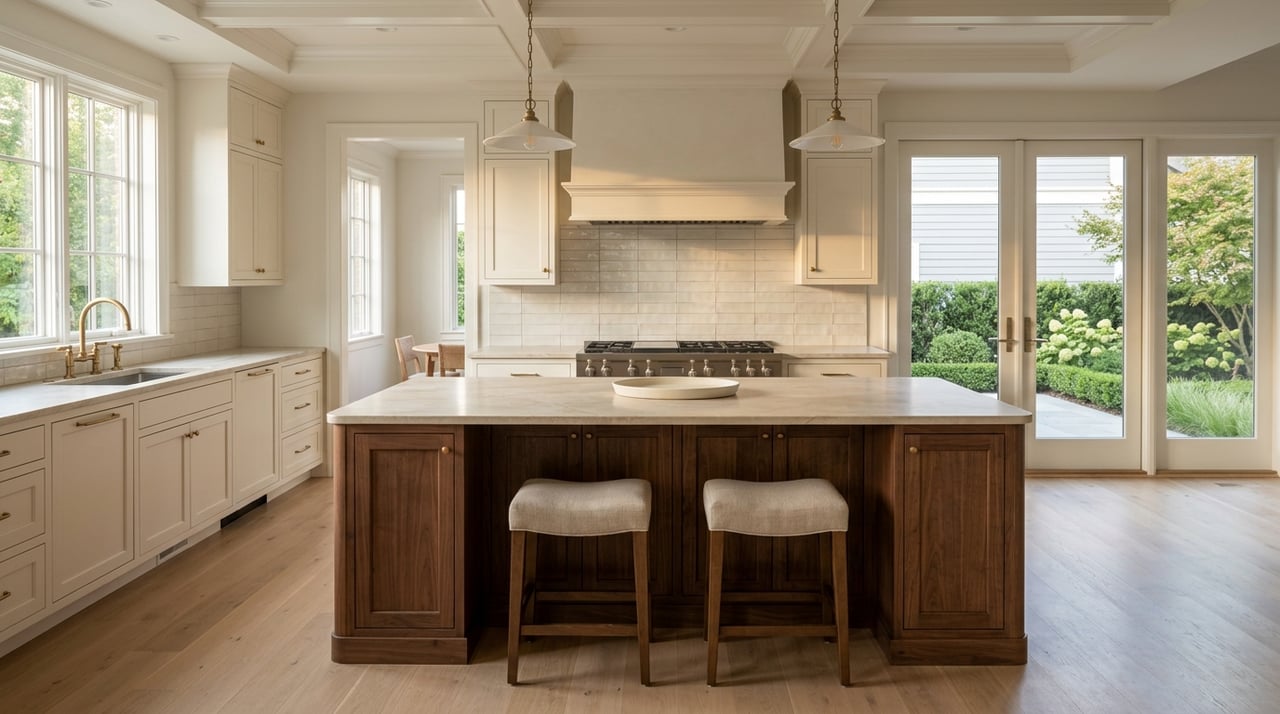
A kitchen can strongly influence buyer interest, but full luxury overhauls are not always the best pre-listing move. In the Columbus Cost vs. Value data, a minor kitchen remodel recouped 88.7% of cost, while a major kitchen remodel recouped 49.5%.
That gap matters. If your kitchen already has a strong layout, the better strategy may be to refresh surfaces, hardware, lighting, paint, or appliances rather than begin a full gut renovation.
NAR’s 2025 Remodeling Impact Report also gave kitchen upgrades the top Joy Score and noted the largest increase in REALTOR-reported demand. For sellers, that supports a practical message: improve the kitchen buyers will use, not the dream kitchen that takes months to build.
Bathroom refreshes over major expansions
Bathrooms follow a similar pattern. Columbus data show a midrange bath remodel recouping 60.8% of cost, compared with 35.5% for an upscale bath remodel.
For most pre-listing projects, it makes more sense to improve the existing bathroom footprint than to create a highly customized luxury retreat. Updated lighting, fresh finishes, improved fixtures, and a cleaner visual style can go a long way.
The exception is when your home clearly falls short of comparable properties in bathroom count or function. Even then, the decision should be grounded in the market, not just personal preference.
Outdoor spaces that feel finished
Outdoor living matters, especially in homes where buyers expect attractive curb appeal and usable exterior space. But pre-listing outdoor work should usually focus on polish and usability, not a large custom build-out.
In Columbus, wood deck additions recouped 66.9% of cost and composite deck additions recouped 57.3%. Those numbers suggest that outdoor improvements can help, but they still need to be proportional.
A clean patio, refreshed landscaping, trimmed beds, pressure washing, repaired hardscape, and a well-staged seating area often do more for listing photos and showings than a complicated backyard transformation. Angi estimates simple landscape beds can take a day or two, while a full backyard renovation can stretch to about six weeks.
What to avoid before listing
One of the biggest mistakes luxury sellers make is assuming that more renovation always means more value. In many cases, the opposite is true.
Try to avoid projects like these unless market evidence clearly supports them:
- Adding unnecessary square footage right before listing
- Choosing highly personal finishes that narrow buyer appeal
- Starting custom cabinetry or major layout changes on a tight timeline
- Overbuilding outdoor features beyond what nearby sales support
- Taking on exterior work without confirming local review and permit needs
The strongest pre-listing renovations are the ones buyers notice right away and appreciate without feeling like they are paying for someone else’s taste.
Sequence the work the right way
A good pre-listing renovation plan follows a clear order. This keeps your budget focused, reduces rework, and makes it easier to hit your target launch date.
Step 1: Review comps and pricing ceiling
Start by identifying the likely resale range for your home based on recent comparable sales. This helps you decide whether you need a light refresh, a more targeted renovation, or only cosmetic improvements.
Step 2: Confirm approvals early
If your project includes exterior work such as a roof, deck, fence, or patio, confirm New Albany review and permit requirements first. If your changes affect environmental or zoning conditions, determine whether Architectural Review Board review may apply.
Step 3: Tackle code-sensitive work
Handle the messiest and most complex work early. This includes roofing, construction, layout adjustments, plumbing or electrical work, and any project that may trigger inspections or contractor coordination.
Step 4: Move to finish work
Once the heavy work is done, focus on high-visibility updates such as paint, flooring touch-ups, lighting, hardware, and surface repairs. These details often shape the buyer’s first impression more than large behind-the-scenes investments.
Step 5: Finish with staging and marketing prep
The final step is presentation. Deep cleaning, staging, photography, and launch preparation should happen after renovation dust has settled and every room feels complete.
Build your timeline backward from list date
Many sellers underestimate how long renovation planning takes. Angi says minor kitchen updates can take one to two weeks, while full kitchen remodels usually take eight to 12 weeks. Kitchen planning and design can take two weeks to three months, and permitting can add another two to four weeks.
Bathrooms can also take longer than expected. According to Angi, a full bathroom remodel usually takes two to three months, while smaller bathroom remodels can sometimes be completed in two to three weeks.
That is why your list date should guide every decision. If you are considering moving walls, ordering custom materials, or making exterior changes, the safest path is to begin months before launch, not a few weeks before photos.
Where an integrated team helps
Pre-listing renovation is rarely just a construction project. It is a pricing, design, scheduling, and marketing decision all at once.
That is where an integrated model can make a real difference. Nth Degree combines real estate, interior design, renovation and construction management, staging, and a showroom experience under one brand.
For you as a seller, that can mean fewer handoffs and clearer alignment between what should be updated, how it should look, and when it needs to be finished. Instead of managing separate conversations with an agent, designer, contractor, and stager, you can move through one coordinated plan.
That coordination matters most when timing is tight and expectations are high. It helps keep floor plans, finish choices, staging strategy, and listing preparation working toward the same goal: a stronger presentation and a more efficient sale.
If you are preparing to sell in New Albany, the best renovation plan is usually focused, well-timed, and market-aware. Thoughtful kitchen and bath updates, polished outdoor spaces, early permit review, and disciplined sequencing can help you protect your time and position your home more effectively. To start your home transformation with a team that brings brokerage, design, renovation management, and complimentary staging together, connect with Nth Degree.
FAQs
What renovations add the most value before listing a New Albany luxury home?
- The research supports selective updates with broad buyer appeal, especially kitchen improvements, bathroom refreshes, paint, roofing when needed, landscaping, and flooring touch-ups.
What exterior projects in New Albany need permits or review?
- According to the city, roofs, decks, fences, and patios require both plan review and a permit, and some exterior changes may also require Architectural Review Board review.
How long should you plan for pre-listing renovations in New Albany?
- Timelines vary, but minor kitchen updates can take one to two weeks, full kitchens often take eight to 12 weeks, smaller bathroom remodels can take two to three weeks, and full bath remodels often take two to three months.
Should you fully remodel a luxury kitchen before selling in New Albany?
- Not always. Columbus Cost vs. Value data show minor kitchen remodels recoup much more than major kitchen remodels, so a focused refresh is often the stronger pre-listing move.
Why should New Albany sellers start renovation planning early?
- Early planning gives you time to review comparable sales, confirm permits or local approvals, manage contractor schedules, and complete staging and photography without rushing the listing launch.