Wondering how to make a Sapphire home feel warm, inviting, and refined without fighting the realities of mountain weather? If you are designing a full-time residence or a lock-and-leave second home, you need more than a pretty look. You need a space that feels cozy, protects the view, and holds up well through damp seasons, cool mornings, and muddy boots. Let’s dive in.
Start With Sapphire’s Natural Cues
Sapphire sits in a mountain setting shaped by forest, stone, water, and mist. Transylvania County is known as the Land of Waterfalls, and the Grassy Ridge access at Gorges State Park in Sapphire includes 26 remote waterfalls within more than 8,000 acres of temperate rainforest. That setting naturally supports a retreat aesthetic built around texture, warmth, and materials that feel grounded in the landscape.
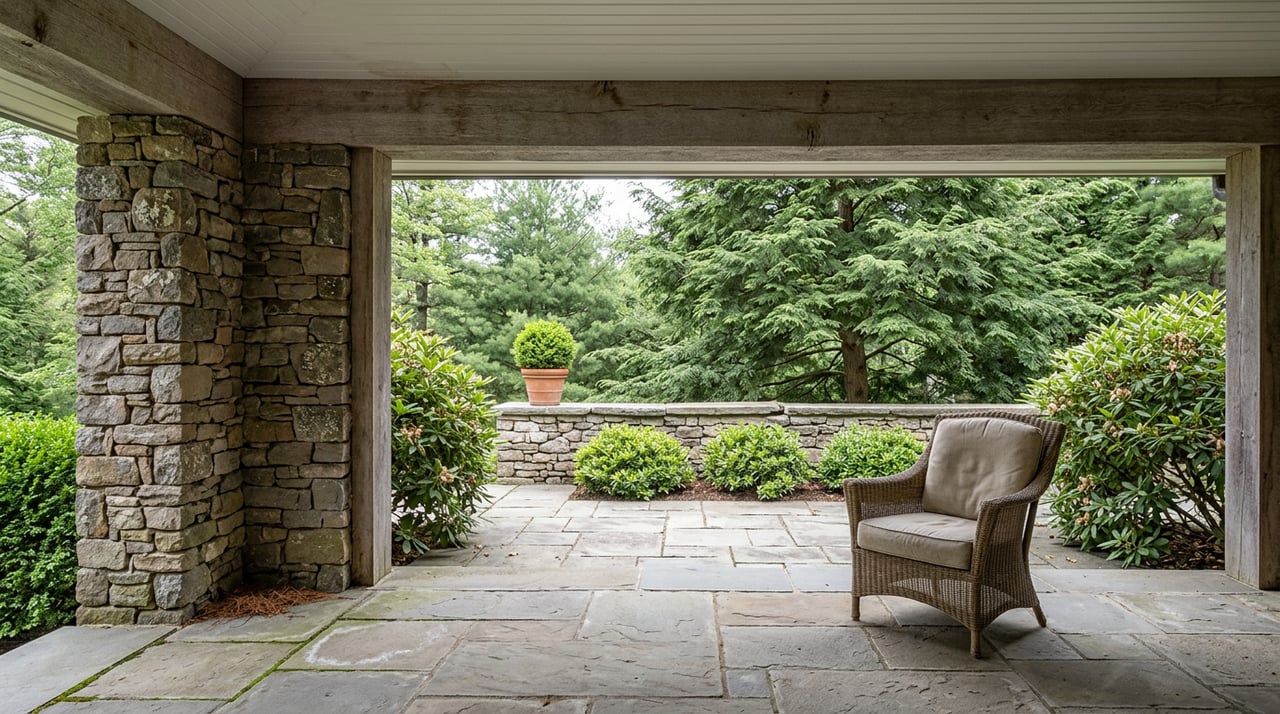
Instead of leaning into glossy or overly urban finishes, focus on surfaces that echo the outdoors. Stone, wood, woven fibers, and matte finishes tend to feel more at home here. The goal is to create a house that feels connected to its surroundings, not disconnected from them.
Build for Comfort and Weather
A cozy mountain retreat in Sapphire should feel warm, but it also needs to respond to local conditions. Nearby climate normals for Highlands show an annual mean temperature of 50.9°F, about 88.28 inches of annual precipitation, and 10.2 inches of snowfall. January is cool, with a daily mean temperature of 33.1°F, while July stays mild at 67.7°F.
Across Transylvania County, rainfall shifts with elevation, and Lake Toxaway averages 91.6 inches annually. That means your design choices should account for wet air, muddy gear, and the occasional cold snap. A beautiful room works better when it is also practical.
Choose Warm, Durable Layers
Layering is one of the easiest ways to create comfort without overcomplicating a room. In Sapphire, that can mean:
- Wool or performance-blend rugs
- Textured throws and pillows
- Upholstered seating in easy-to-clean fabrics
- Wood accents that bring visual warmth
- Stone or tile surfaces near entries and fireplaces
These elements help a home feel softer and more inviting while still standing up to weekend use and changing weather.
Plan for Wet Shoes and Damp Gear
Mountain living often comes with wet jackets, boots, and outdoor equipment. A well-designed entry or mudroom keeps that reality from spreading through the house. Built-in storage, closed cabinets, baskets, and durable floor surfaces can make daily living much easier.
This matters even more in a second home. When you arrive for a long weekend, you want the house to feel ready, not like it needs immediate cleanup and sorting.
Use a Palette Inspired by Sapphire
One of the easiest ways to create a mountain-retreat feel is to pull color from the local environment. In Sapphire, a strong palette might include evergreen, bark brown, slate gray, cloud white, and muted blue-green. These tones reflect the area’s forests, waterfalls, stone, and misty atmosphere.
You do not need to use dark colors everywhere to make a home feel cozy. In fact, too much heaviness can make a room feel smaller or dimmer. A better approach is to start with warm neutrals, then layer in earthy accents through textiles, art, painted millwork, or a fireplace surround.
Keep Cozy From Feeling Dark
Many homeowners worry that mountain style means dark wood on every surface and heavy furnishings in every corner. In reality, balance is what makes the space feel elevated. Pair deeper tones with lighter walls, natural light, and soft contrast.
Cloud whites, warm creams, and pale stone shades can brighten the main envelope of a room. Then you can add depth with slate, green, or brown in smaller moments that ground the design without overwhelming it.
Anchor the Room With Natural Materials
The most memorable mountain interiors usually feel tactile. They invite you in because the materials have weight, character, and warmth. In Sapphire, that often means using nature-inspired elements as the visual anchor.
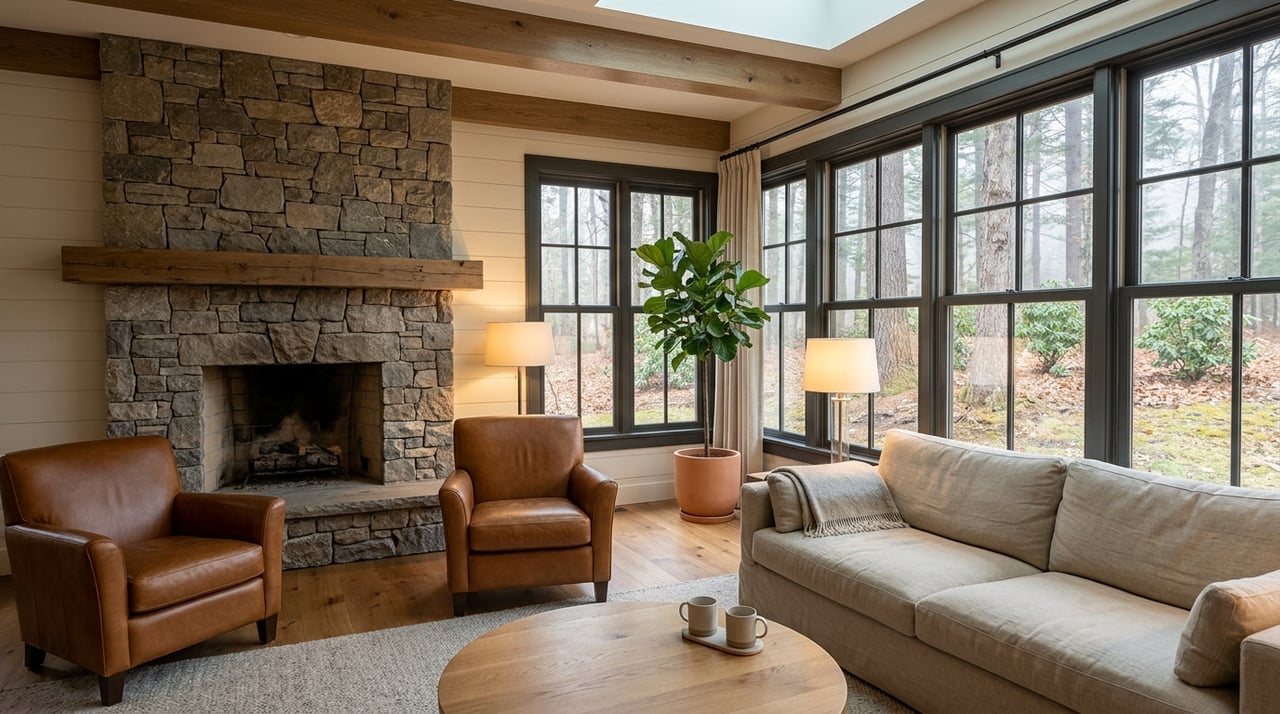
DOE guidance on passive solar design notes that materials like concrete, brick, stone, and tile absorb heat, and darker colors absorb more heat than lighter ones. In practical terms, that supports design choices like a stone hearth, tile entry flooring, or a darker accent around a fireplace in a sunny room. These features can feel visually rich while also making sense for the setting.
Best Materials for a Sapphire Retreat
If you want high-end style with everyday practicality, focus on materials that age well and clean up easily.
- Stone: Great for fireplaces, accent walls, and entry zones
- Wood: Ideal for beams, furniture, and cabinetry with natural grain
- Tile: Useful in baths, laundry areas, and high-traffic spaces
- Performance fabrics: Smart for seating in full-time or part-time homes
- Woven textures: A simple way to soften stone and wood surfaces
The mix matters more than the quantity. A few strong materials, repeated thoughtfully, usually feel more refined than trying to include every rustic cue at once.
Frame the View Without Losing Comfort
In Sapphire, the view is often one of the home’s biggest assets. A cozy interior should support that, not block it. Furniture placement, window treatments, and light control all play a role.
DOE daylighting guidance notes that south-facing windows bring in the most winter sunlight, north-facing windows provide even light, and east- and west-facing windows are more likely to create glare and summer heat gain. That means a mountain home should be arranged to preserve views while also managing brightness and comfort through the day.
Keep Sightlines Open
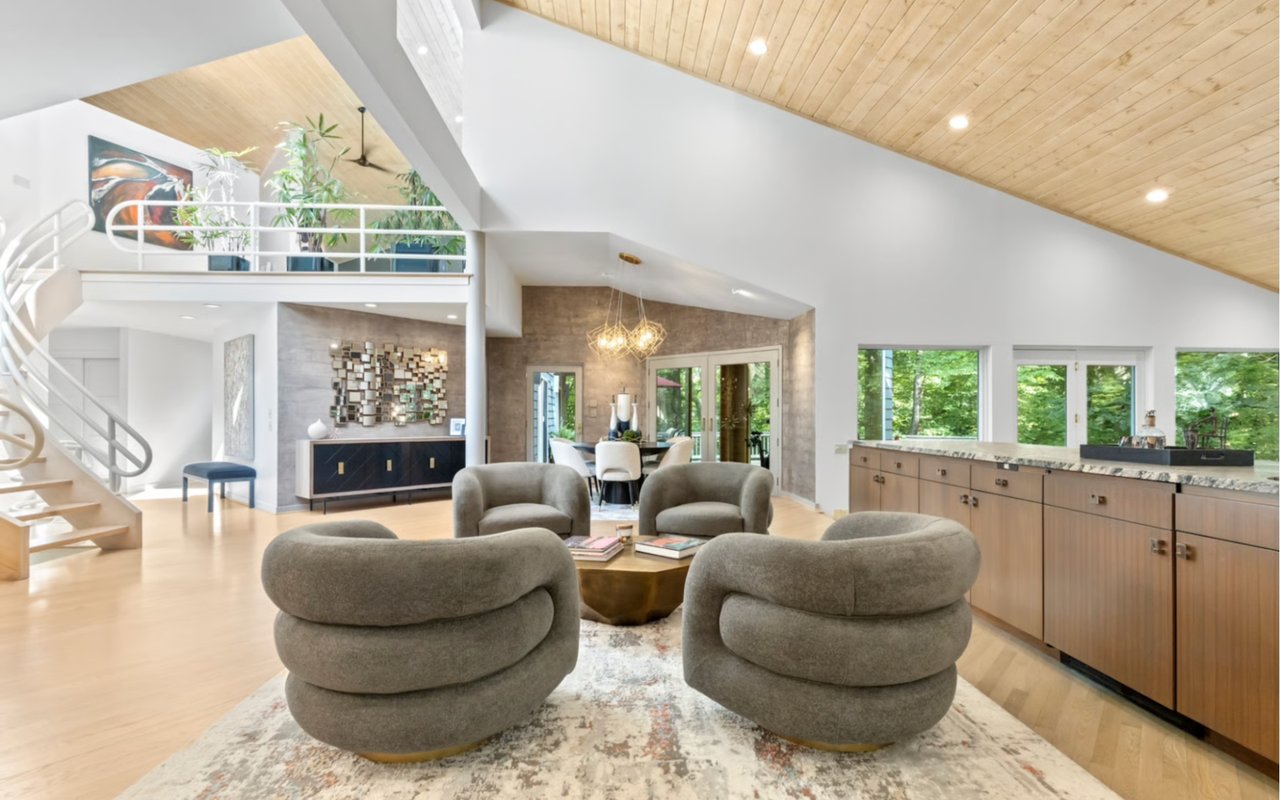
Low-profile furniture often works well near major windows. It allows the landscape to remain visible while keeping the room grounded and usable. In a living room, for example, you might center seating on a fireplace or conversation area while preserving one strong line of sight to the outdoors.
This is one of the best ways to make a room feel intimate without making it feel crowded. You get the coziness of a defined seating area and the openness of a mountain view at the same time.
Layer Window Treatments Wisely
Window treatments in Sapphire should do more than finish the room. They should help with heat loss, glare, privacy, and UV protection. DOE notes that conventional draperies can reduce heat loss from a warm room by up to 10 percent in cold weather, while blinds can help reduce summer heat gain and glare.
A layered approach often works best:
- Use lighter coverings where the view is the main feature
- Add draperies in bedrooms and main living spaces for softness and insulation
- Consider blinds or shades where glare is strongest
- Use window film if you want to protect art, furniture, or flooring without losing the view
Arrange Furniture for Flexibility
Many Sapphire buyers are furnishing a second home, which changes the design brief a bit. You want the home to feel finished and comfortable, but also flexible enough for guests and easy to maintain between visits. Furniture should support both goals.
That is where movable pieces become especially useful. Nesting tables, ottomans, lightweight accent chairs, and smaller side tables can be reconfigured when you host family or friends. When you are not entertaining, the room can return to a simpler, calmer layout.
Focus on Conversation Zones
Cozy does not mean crowded. A better strategy is to create one clear gathering zone in each main living area. Often that is centered around a fireplace, coffee table, or primary window view.
When furniture is grouped with intention, the room feels warmer and easier to use. It also photographs well, which matters if you want your home to feel polished now and market-ready later.
Design for Moisture and Maintenance
In a mountain setting, moisture control is part of good design. EPA guidance recommends keeping indoor relative humidity between 30 and 60 percent, venting bathrooms and dryers to the outside, using AC or dehumidifiers, and drying damp materials within 24 to 48 hours. That guidance is especially relevant in an area with frequent rain and damp outdoor conditions.
For homeowners, this translates into smart finish and furnishing choices. It is not just about what looks good on day one. It is about what still looks good after repeated weekends of use, changing seasons, and the realities of mountain air.
Easy Choices That Pay Off
A few practical decisions can make a home much easier to care for:
- Choose upholstery that wipes clean easily
- Avoid moisture-trapping materials in entry zones
- Use closed storage for boots, gear, and extra linens
- Keep throws and seasonal layers organized in baskets or cabinets
- Add dehumidification support where needed for comfort and upkeep
These details help a home feel calm, orderly, and ready to enjoy.
Create a Lock-and-Leave Feel
For many buyers in Sapphire, the goal is not just a beautiful home. It is a home that works well when you are there and stays manageable when you are away. That calls for a design approach that blends comfort with simplicity.
Think in terms of edited spaces, durable materials, and dependable storage. A well-planned mountain retreat should feel complete, not cluttered. When each room has a clear purpose and the finishes are selected with local conditions in mind, the result is both inviting and easier to maintain.
Why Design Guidance Matters
The best Sapphire retreats are not defined by one style. They are defined by how well they respond to place. When your interior reflects the local landscape, respects the climate, and supports the way you actually live, the home feels more authentic and more valuable over time.
That is where an integrated approach can make a real difference. If you are buying, updating, furnishing, or preparing a mountain home for the market, thoughtful design choices can help the property feel more complete from the start.
If you are planning your next move or rethinking how your Sapphire home lives day to day, Nth Degree can help you align real estate, design, renovation management, and furnishing into one clear plan.
FAQs
How do you make a Sapphire mountain home feel cozy without making it dark?
- Start with lighter warm neutrals on larger surfaces, then add depth through stone, wood, rugs, and earthy accent colors like evergreen, slate, or bark brown.
What materials work best for a Sapphire, NC mountain retreat?
- Stone, wood, tile, woven textures, and performance fabrics tend to balance mountain character with practical durability for wet weather and regular use.
How should you handle windows in a Sapphire mountain home?
- Keep sightlines open, use lower furniture near major views, and layer shades, blinds, or draperies where glare, privacy, heat gain, or heat loss need to be managed.
What furniture is best for a Sapphire second home?
- Flexible pieces like ottomans, nesting tables, lightweight accent chairs, and movable side tables make it easier to host guests and simplify everyday living.
How do you manage moisture in a Sapphire mountain house?
- Focus on moisture control with good ventilation, indoor humidity between 30 and 60 percent, quick drying of damp materials, and furnishings that are easy to clean and store.