By The Nth Degree Team
We regularly walk into homes where the square footage isn’t huge, but the space feels open, functional, and inviting. That’s rarely an accident. Thoughtful interior design for small spaces can dramatically change how a home looks, feels, and even how it performs on the market. Whether you’re living in a condo in Gahanna, a starter home in Blacklick, or a cozy mountain retreat near Lake Toxaway, maximizing space is about strategy—not size.
Key Takeaways
-
Layout and furniture scale matter more than square footage
-
Light colors and lighting expand visual space
-
Multi-functional pieces increase usability
-
Smart storage reduces clutter and buyer objections
Choose the Right-Scale Furniture
Oversized furniture is one of the fastest ways to make a room feel cramped. Proportion is everything.
How to scale furniture properly
-
Measure rooms before purchasing
-
Use slim-profile sofas and chairs
-
Avoid bulky armrests
-
Choose exposed-leg furniture to create visual openness
In interior design for small spaces, lighter-looking furniture often works better than heavy, solid pieces.
Embrace Light and Neutral Colors
Color has a powerful impact on perception. Lighter shades reflect more light and create a sense of openness.
Color strategies that work
-
Soft whites and warm neutrals on walls
-
Consistent paint tones throughout main areas
-
Light-colored rugs to expand the floor visually
-
Coordinated textiles for cohesion
Homes in Gahanna and Blacklick that use neutral palettes often feel larger and more move-in ready.
Maximize Natural Light
Natural light instantly makes a room feel bigger.
Ways to enhance light
-
Remove heavy drapery
-
Use sheer curtains
-
Keep windows clean
-
Position mirrors across from windows
One of the most effective interior design for small spaces techniques is amplifying existing daylight.
Use Mirrors Strategically
Mirrors create depth and reflect both natural and artificial light.
Mirror placement tips
-
Place large mirrors on focal walls
-
Use mirrored furniture sparingly
-
Reflect attractive features, not clutter
-
Avoid overcrowding walls
Proper placement can visually double the size of a small room.
Opt for Multi-Functional Furniture
In smaller homes, every piece should serve a purpose.
Examples of smart furniture choices
-
Storage ottomans
-
Beds with built-in drawers
-
Extendable dining tables
-
Fold-down desks
These solutions are especially helpful in condos or townhomes where square footage is limited.
Keep Floor Space Visible
The more floor you can see, the larger a room feels.
How to create visual space
-
Choose furniture with legs
-
Avoid heavy skirts on sofas
-
Float furniture slightly away from walls
-
Keep pathways clear
In interior design for small spaces, openness at floor level enhances flow.
Use Vertical Space Wisely
When you can’t expand outward, build upward.
Vertical design strategies
-
Install tall shelving units
-
Hang curtains closer to the ceiling
-
Use vertical wall storage
-
Add statement lighting to draw the eye up
Vertical emphasis creates the illusion of higher ceilings and more room.
Define Spaces Without Walls
Open layouts benefit from subtle definition rather than physical separation.
Ways to define areas visually
-
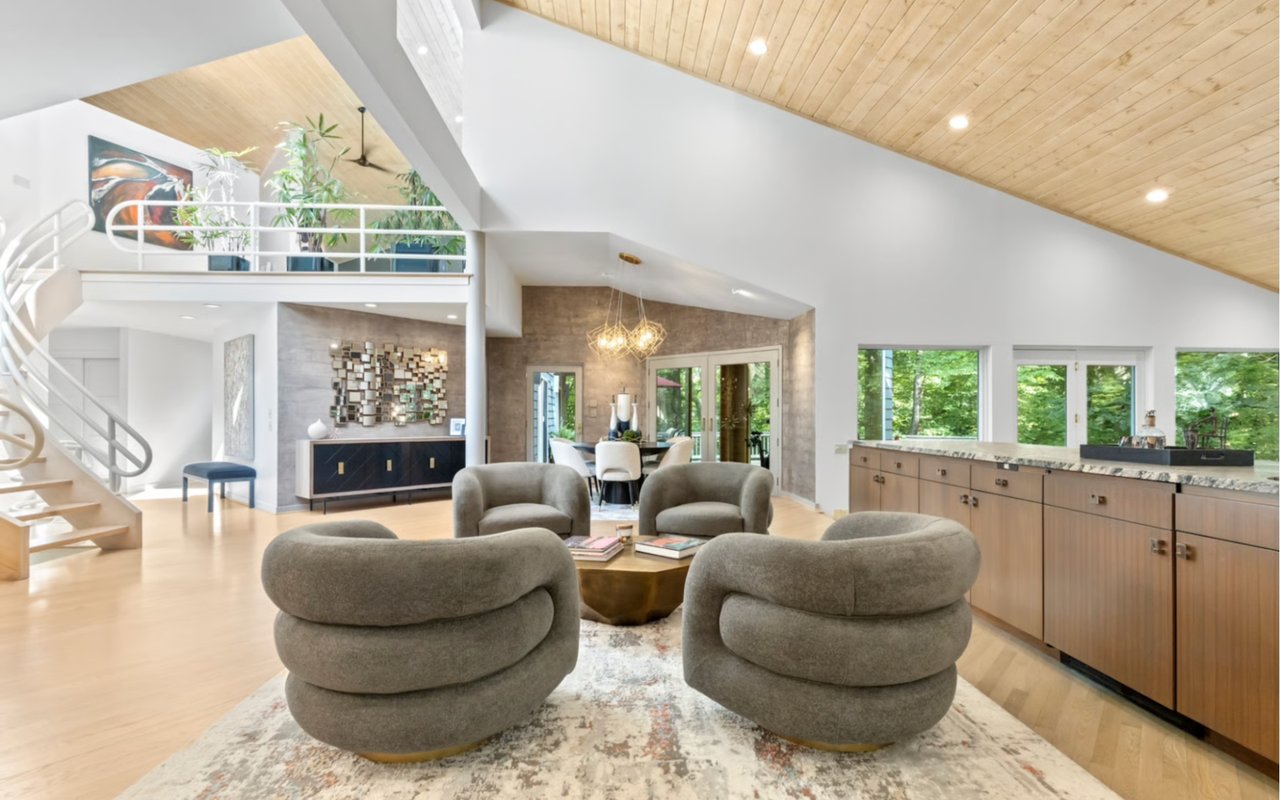
Use area rugs to anchor seating
-
Arrange furniture intentionally
-
Add slim console tables behind sofas
-
Use lighting to distinguish zones
This approach works particularly well in open-concept homes in Blacklick and Gahanna.
Reduce Visual Clutter
Clutter shrinks a space quickly. Clean lines create calm and openness.
Decluttering priorities
-
Clear countertops
-
Limit decorative items
-
Organize storage areas
-
Keep surfaces mostly bare
Interior design for small spaces relies heavily on simplicity and organization.
Use Smart Storage Solutions
Storage isn’t just practical—it supports design.
Hidden storage ideas
-
Built-in shelving
-
Under-stair storage
-
Wall-mounted cabinets
-
Closet organization systems
Functional storage prevents rooms from feeling overcrowded.
Choose Proper Lighting Layers
Layered lighting prevents shadows that make rooms feel smaller.
Lighting tips for smaller spaces
-
Combine overhead and lamp lighting
-
Use warm, consistent bulbs
-
Avoid overly dim fixtures
-
Add under-cabinet lighting in kitchens
Good lighting supports the illusion of space.
Keep Décor Minimal but Intentional
You don’t need to eliminate personality, but you should edit thoughtfully.
Styling tips for small rooms
-
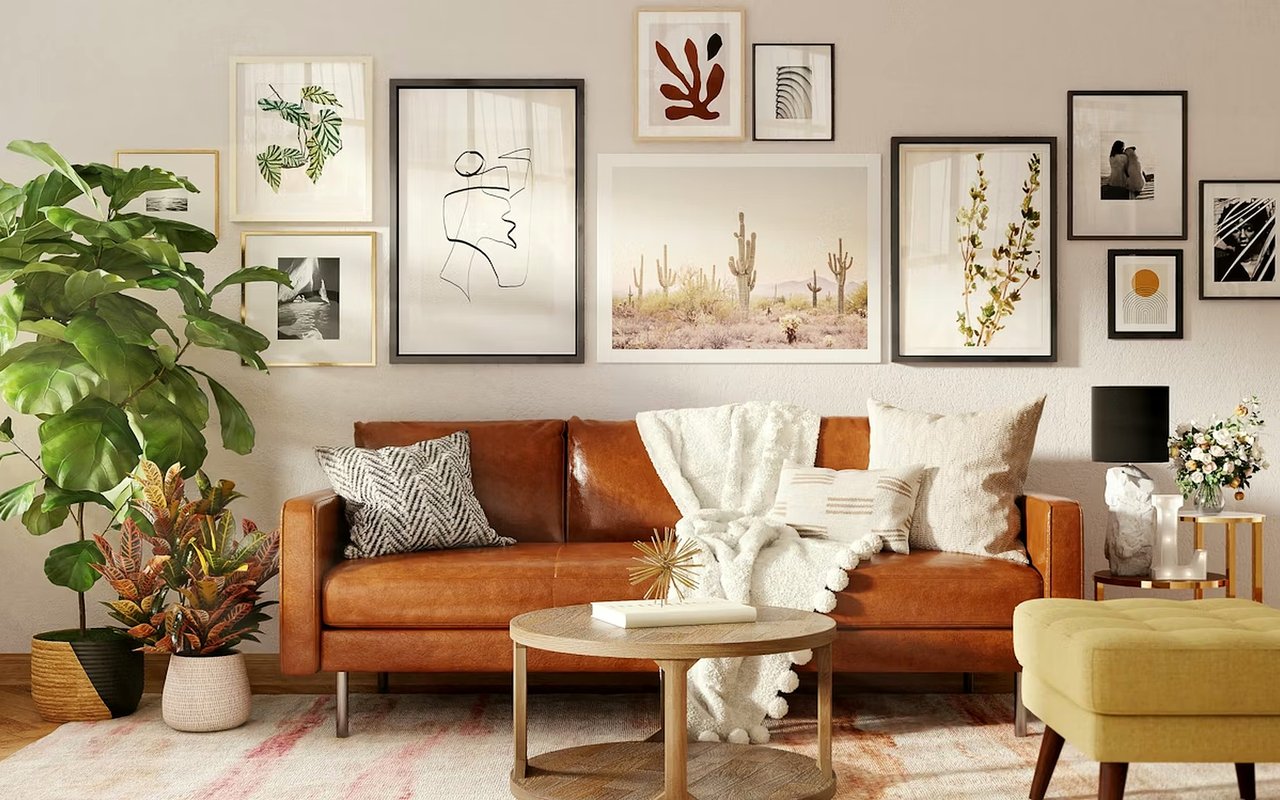
Use one statement artwork piece
-
Limit bold patterns
-
Keep color schemes cohesive
-
Choose streamlined accessories
Balanced styling enhances the sense of calm and order.
Why This Matters for Resale
Homes that feel larger and more functional attract more buyer interest.
Resale benefits of smart design
-
Better listing photos
-
Stronger first impressions
-
Broader buyer appeal
-
Faster decision-making
In competitive markets, interior design for small spaces can directly influence how quickly a property sells.
FAQs
Can small homes feel as valuable as larger ones?
Yes. Layout, light, and presentation often matter more than raw square footage.
Should I hire a designer before selling?
Not always. Many small changes can be implemented with simple planning.
Do buyers notice small design details?
Absolutely. Perception plays a major role in buyer decisions.
Contact The Nth Degree Team Today
If you’re preparing to sell or simply want advice on maximizing your home’s potential, we’re here to help. At The Nth Degree Team, we guide homeowners in Gahanna, Blacklick, Lake Toxaway, and beyond on smart improvements that enhance both lifestyle and value.
Reach out to us at The Nth Degree Team to discuss how interior design for small spaces can position your property for success. We’ll help you make strategic decisions that elevate your home and attract confident buyers.
Reach out to us at The Nth Degree Team to discuss how interior design for small spaces can position your property for success. We’ll help you make strategic decisions that elevate your home and attract confident buyers.