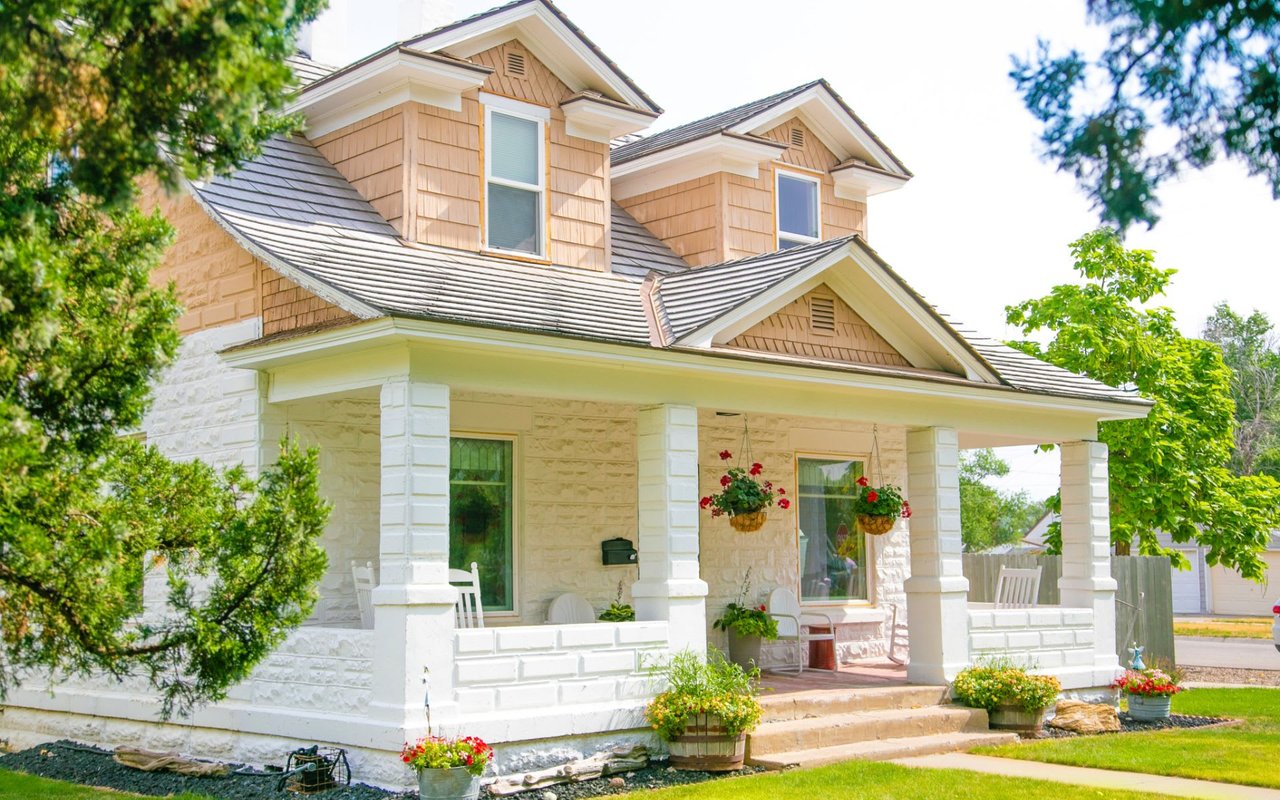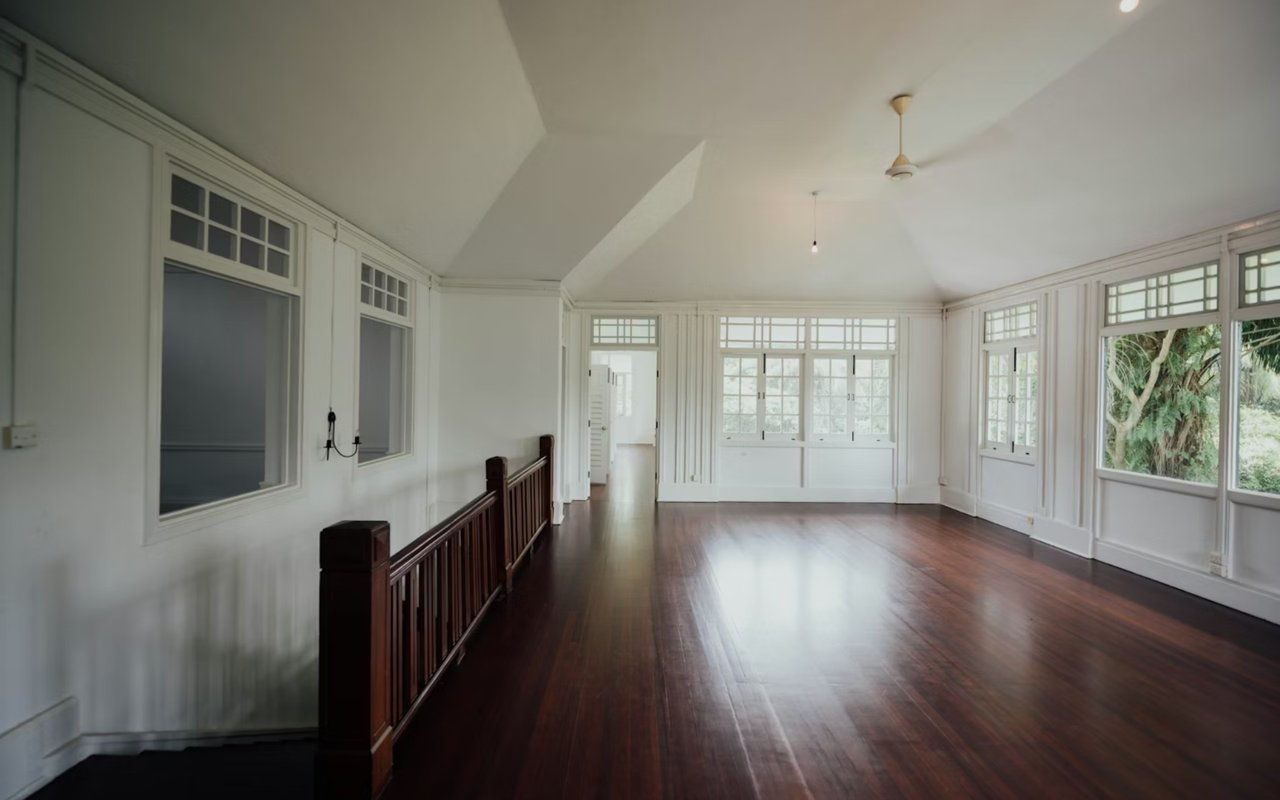
Historic homes in Sapphire reflect the area’s development as a mountain retreat community, with architecture shaped by early resort planning, handcrafted materials, and strong ties to the surrounding landscape. Many of these homes were built as seasonal residences and later adapted for extended use. Modern updates for historic homes in Sapphire are most successful when improvements feel integrated rather than imposed.
Understand the Original Design Intent
Historic homes in Sapphire often feature layouts designed for formality and separation of spaces. Defined rooms, central hearths, and symmetrical plans were standard, especially in early mountain cottages and lodge-style residences. Interior circulation was intentional, with limited open space and a strong visual hierarchy between public and private areas.
Modern updates should begin with an understanding of how the home was meant to function. Retaining room divisions while improving usability often produces better results than removing walls outright. Respecting original proportions allows updates to feel consistent with the home’s architectural language.
Modern updates should begin with an understanding of how the home was meant to function. Retaining room divisions while improving usability often produces better results than removing walls outright. Respecting original proportions allows updates to feel consistent with the home’s architectural language.
Upgrade Mechanical Systems Without Visual Impact
Older homes in Sapphire frequently require updated electrical, plumbing, and HVAC systems to support year-round living. These upgrades can be extensive but should remain visually discreet. Routing new systems through existing chases, crawl spaces, or secondary rooms minimizes disruption to historic finishes.
Grilles, vents, and controls should be selected with restraint. Low-profile designs and neutral finishes help modern systems recede into the background. Comfort improvements are most effective when they support daily use without becoming focal points.
Grilles, vents, and controls should be selected with restraint. Low-profile designs and neutral finishes help modern systems recede into the background. Comfort improvements are most effective when they support daily use without becoming focal points.
Kitchen Improvements That Preserve Layout Integrity
Kitchens in historic Sapphire homes were often compact and service-oriented. Modern expectations call for better storage, updated appliances, and improved workflow. Successful updates preserve the kitchen’s original footprint whenever possible while improving efficiency within it.
Cabinetry that reflects traditional construction methods, such as inset doors or simple frame detailing, integrates more naturally than highly contemporary styles. Appliances can be panel-ready or visually understated. Countertop materials, such as stone or wood, align well with the mountainous context and historic character.
Cabinetry that reflects traditional construction methods, such as inset doors or simple frame detailing, integrates more naturally than highly contemporary styles. Appliances can be panel-ready or visually understated. Countertop materials, such as stone or wood, align well with the mountainous context and historic character.
Bathroom Updates With Timeless Materials
Bathrooms present opportunities for meaningful upgrades without altering the home’s visual identity. Historic bathrooms were often small and minimally finished. Modern updates can enhance comfort while maintaining a suitable scale and material selection.
Classic tile patterns, neutral palettes, and traditional fixture silhouettes support continuity. Enlarging bathrooms should be approached cautiously and typically works best when expanding into adjacent secondary spaces rather than reconfiguring primary rooms.
Classic tile patterns, neutral palettes, and traditional fixture silhouettes support continuity. Enlarging bathrooms should be approached cautiously and typically works best when expanding into adjacent secondary spaces rather than reconfiguring primary rooms.
Lighting Enhancements That Respect Architecture
Original lighting in historic Sapphire homes relied heavily on natural light, fireplaces, and limited fixtures. Modern lighting plans should supplement these sources without overwhelming ceilings or trim. Layered lighting provides flexibility while preserving atmosphere.
Wall sconces, table lamps, and floor lamps often feel more appropriate than extensive overhead lighting. When ceiling fixtures are necessary, designs with simple lines and traditional materials integrate more easily. Thoughtful lighting improves functionality without changing the home’s character.
Wall sconces, table lamps, and floor lamps often feel more appropriate than extensive overhead lighting. When ceiling fixtures are necessary, designs with simple lines and traditional materials integrate more easily. Thoughtful lighting improves functionality without changing the home’s character.
Window and Door Improvements That Maintain Proportion
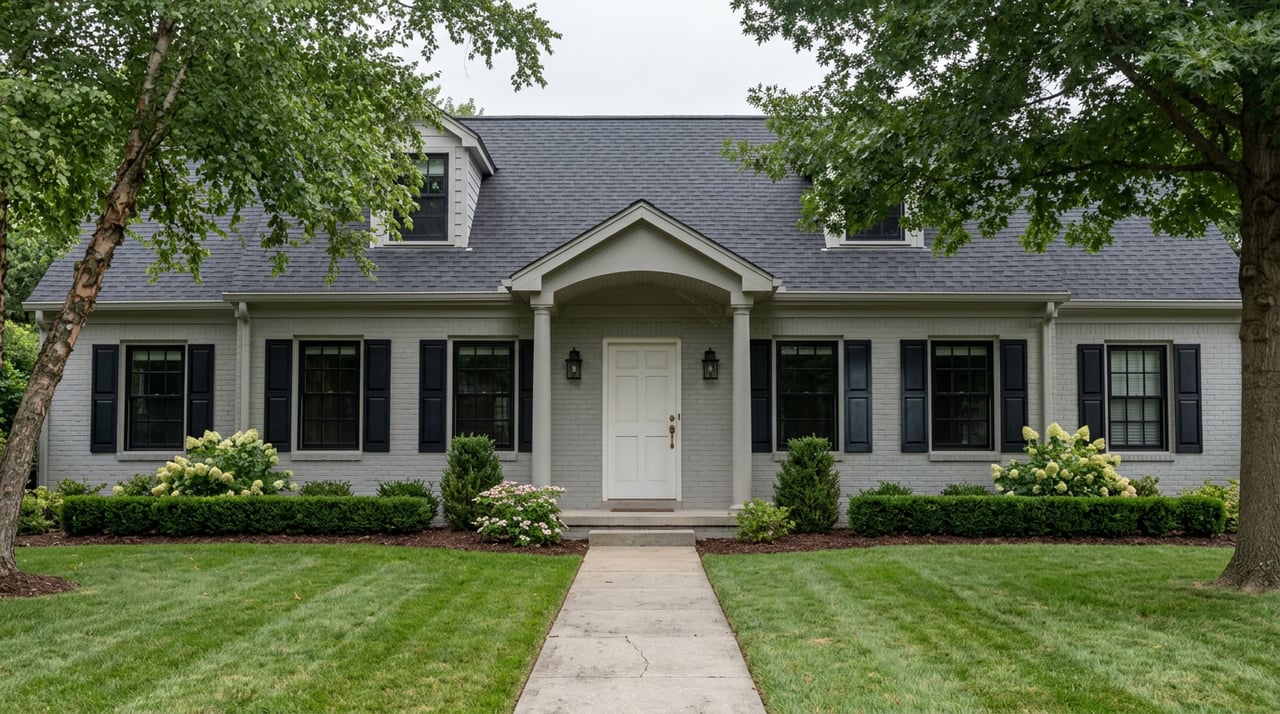
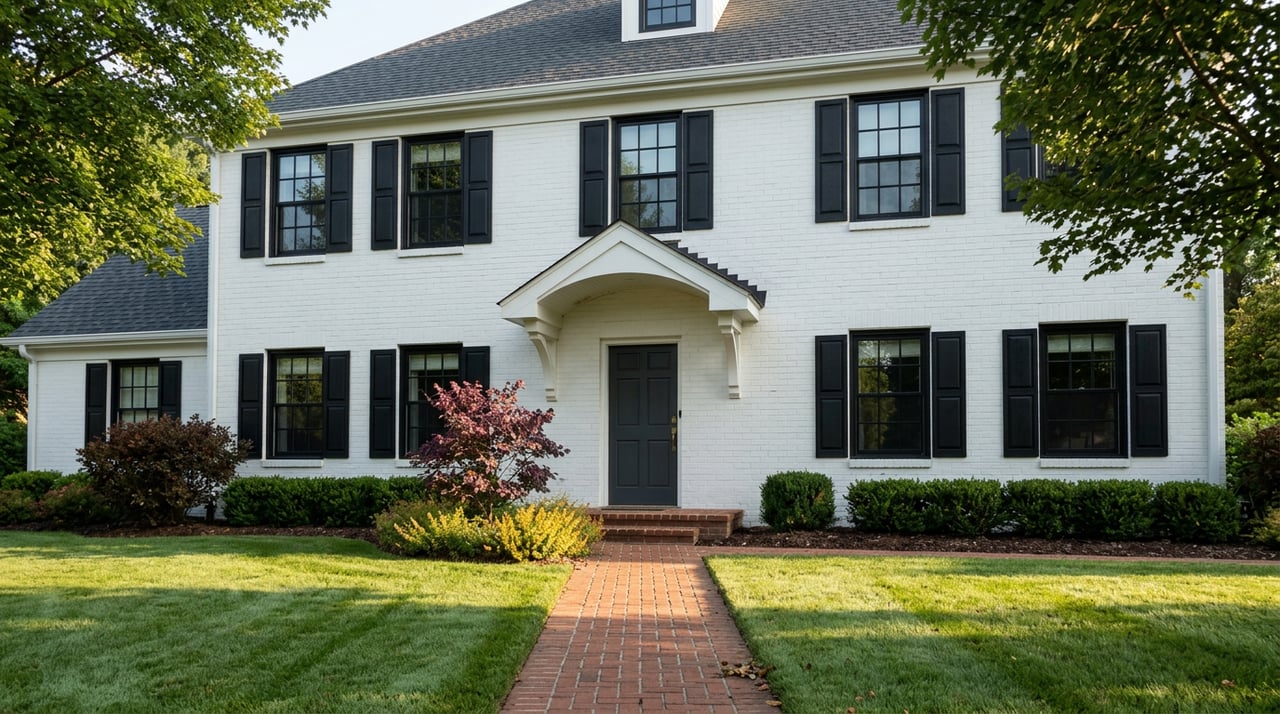
Windows and doors define much of a historic home’s exterior and interior identity. In Sapphire, the original wood windows and solid doors significantly contribute to the architectural presence. Updates should prioritize repair and enhancement over replacement when possible.
If replacement is necessary, new units should match original proportions, muntin patterns, and profiles. Interior treatments should remain simple to avoid obscuring trim and casings. Improved insulation and glazing can be achieved without altering visual balance.
If replacement is necessary, new units should match original proportions, muntin patterns, and profiles. Interior treatments should remain simple to avoid obscuring trim and casings. Improved insulation and glazing can be achieved without altering visual balance.
Integrate Technology With Minimal Disruption
Technology upgrades are often expected in modern living, but require careful integration in historic homes. Wiring for internet, audio, and security systems should be concealed within walls, cabinetry, or millwork whenever possible.
Control panels and screens should be discreet and limited in number. Centralized systems reduce visual clutter and support a cleaner interior. Technology works best when it enhances convenience without competing with architectural features.
Control panels and screens should be discreet and limited in number. Centralized systems reduce visual clutter and support a cleaner interior. Technology works best when it enhances convenience without competing with architectural features.
Floor Plan Adjustments That Preserve Flow
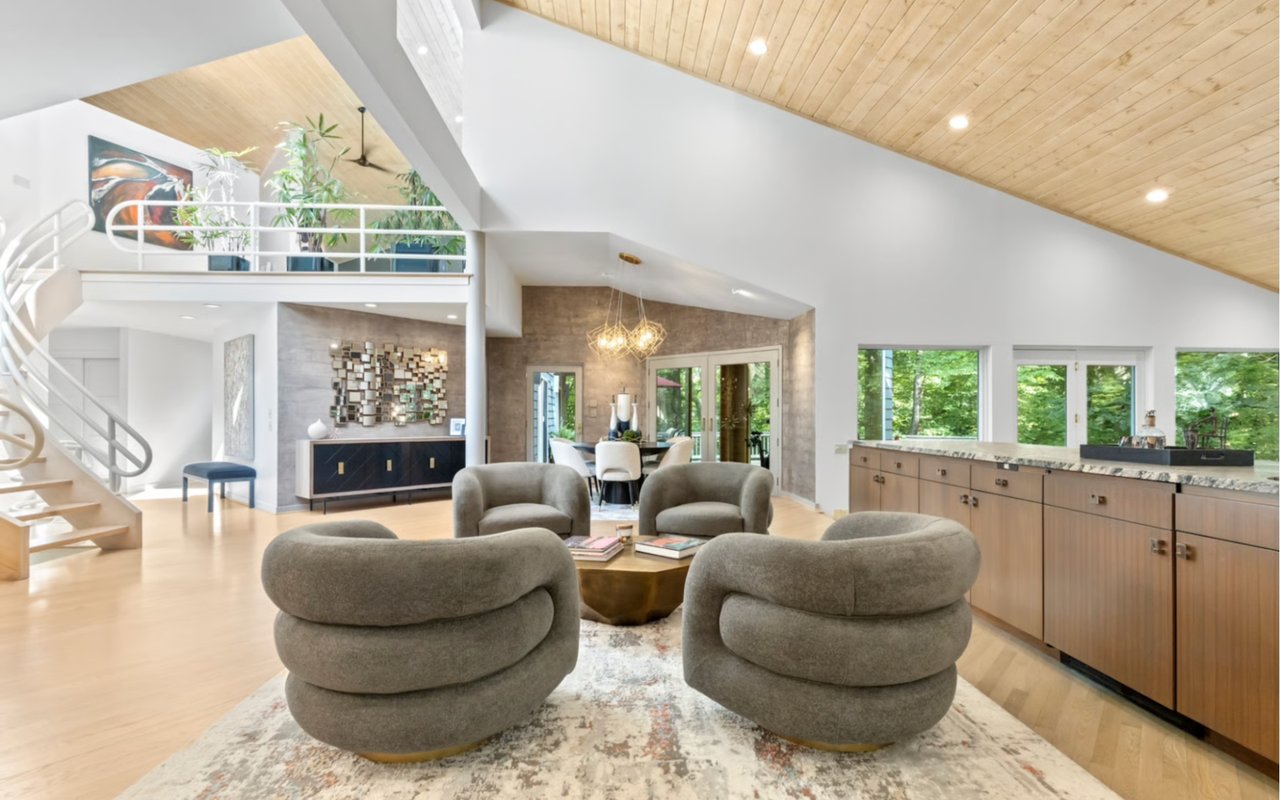
Historic homes in Sapphire often include generous circulation spaces and clearly defined room sequences. Modern updates may call for improved flow, particularly between kitchens, dining rooms, and living areas. Adjustments should maintain logical transitions rather than creating fully open plans.
Selective widening of doorways or adding interior windows can improve connection while retaining separation. These changes support contemporary use while honoring original planning principles.
Selective widening of doorways or adding interior windows can improve connection while retaining separation. These changes support contemporary use while honoring original planning principles.
Material Choices That Age Appropriately
Material selection plays a critical role in blending modern updates with historic interiors. Finishes should age well and feel consistent with the home’s construction era. Natural materials such as wood, stone, and metal tend to integrate more successfully than synthetic alternatives.
Highly polished or trend-driven finishes often feel out of place. Subtle textures and muted tones support long-term cohesion. Modern updates for historic homes benefit from materials that enhance durability without compromising the visual tone.
Highly polished or trend-driven finishes often feel out of place. Subtle textures and muted tones support long-term cohesion. Modern updates for historic homes benefit from materials that enhance durability without compromising the visual tone.
Balance Efficiency With Preservation
Energy efficiency improvements are common goals in Sapphire’s mountain environment. Insulation, weather sealing, and system upgrades can improve performance while preserving historic elements. These improvements should be implemented with minimal impact on visible surfaces.
Interior storm windows, attic insulation, and upgraded mechanical controls often provide benefits without altering original construction. Efficiency gains are most effective when achieved quietly and systematically.
Interior storm windows, attic insulation, and upgraded mechanical controls often provide benefits without altering original construction. Efficiency gains are most effective when achieved quietly and systematically.
Maintain the Relationship to the Landscape
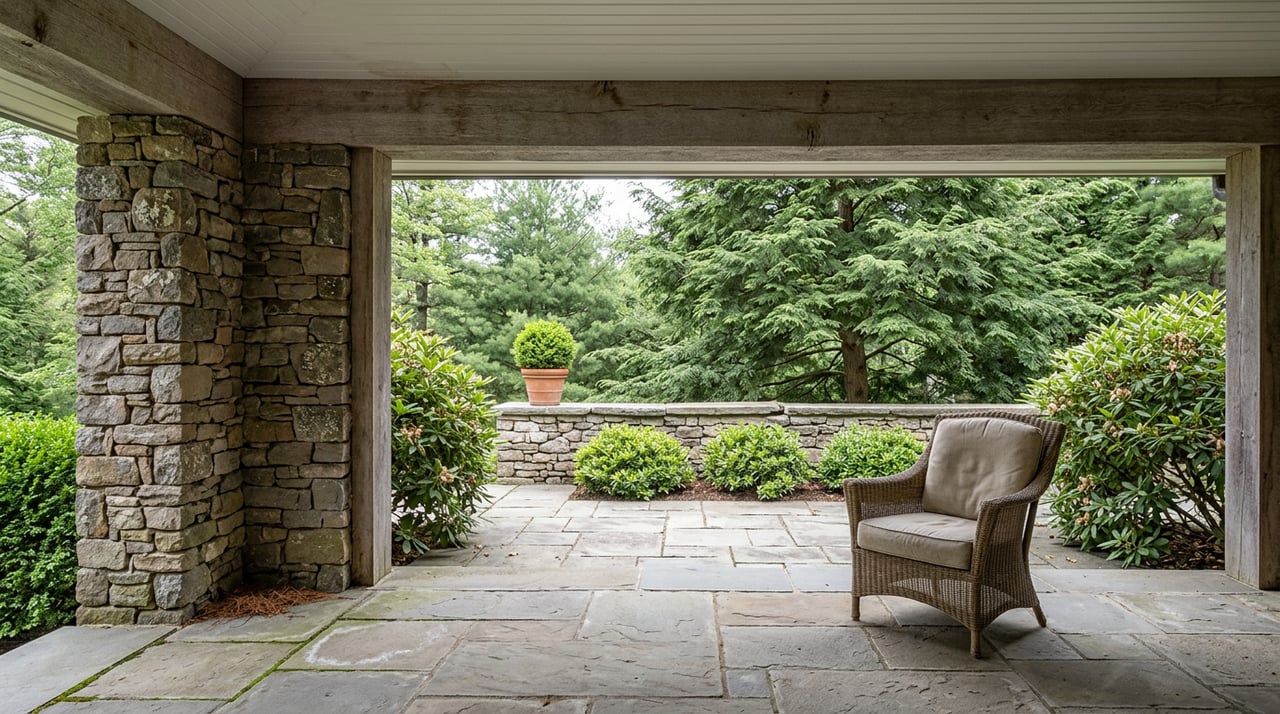
Historic homes in Sapphire were designed to connect with their surroundings. Porches, large windows, and natural materials reinforce this relationship. Modern updates should strengthen, not diminish, this connection.
Interior layouts that frame views and allow natural light to move through the home maintain this original intent. Furnishings and finishes that reflect the mountain setting support continuity between indoor and outdoor spaces, creating a seamless transition.
Interior layouts that frame views and allow natural light to move through the home maintain this original intent. Furnishings and finishes that reflect the mountain setting support continuity between indoor and outdoor spaces, creating a seamless transition.
Find Your Dream Home in Sapphire
The Nth Degree Team collaborates with buyers and homeowners who appreciate the intricacies of historic properties in Sapphire. Their experience includes understanding how architecture, design, and setting intersect when planning thoughtful updates. By guiding clients through properties that reward careful modernization, The Nth Degree Team helps ensure historic homes continue to function comfortably while retaining the character that makes them distinctive.
Interested in Sapphire real estate? Contact us today and find your dream home in Sapphire!
Interested in Sapphire real estate? Contact us today and find your dream home in Sapphire!